
How to Solve Your Dog's Fear of Children
Is your dog scared of children? Dogs and kids make a great combination under the right circumstances and often form lifelong bonds. However, when a do

Degenerative myelopathy affects dogs in a major way, but initially it may be confused with other conditions or disease processes. By understanding more about this genetic issue, a dog owner that is seeing signs of degenerative myelopathy, such as limb weakness, can be better prepared for how to manage this condition to provide the best quality of life possible for their pet.
Degenerative myelopathy (also known as DM) is a disease that affects the white matter of the spinal cord, causing it to break down, or degenerate, which results in weakness of the hind limbs that eventually progresses to paralysis. With time, the front legs can also be affected. It is similar to some of the forms of human amyotrophic lateral sclerosis (ALS), which is more commonly known as Lou Gehrig’s disease. This disease is obviously devastating to a dog owner, as it eventually results in the loss of function that is so necessary for many of a dog's normal activities.
The first signs of degenerative myelopathy in dogs are subtle. They usually occur in dogs over eight years of age. As symptoms of degenerative myelopathy progress, they become more obvious to the owner, but initially they may not be so apparent. The progressive signs and symptoms of DM may include:
Initially, a dog with DM may wobble or sway a bit in the hindquarters when standing still. The dog will also easily fall over if slightly pushed. But the dog is not in pain.
As the disease progresses, symptoms worsen and the hind limbs get weaker. This can cause the feet to scrape on the ground when the dog tries to pick them up to walk, resulting in the loss of hair and an increase in irritation to the skin. Knuckling of the paws may occur, starting with the hind paws. The dog will begin to turn its knuckles under and try to walk on them.
Excessively worn claws (toenails) and/or wounds to the feet may occur as a result of the dog's inability to walk correctly.
The dog may have trouble getting up from a sitting or lying position. When the dog does stand up, it has a very tough time walking. At this stage it may also be difficult walking up steps and squatting to defecate.
As the disease progresses, the dog may easily buckle at the knees and fall over if it loses its balance, even without a gentle push.
Eventually, a dog with DM will fall down when trying to walk and may develop complete paralysis of the hind limbs. The disease will eventually progress to affect the front limbs as well.
The cause of degenerative myelopathy in dogs is a mutation in a gene called superoxide dismutase 1 (SOD1). The risk factor was identified in 2009.
The initial symptoms of degenerative myelopathy can look like those of other diseases, so a full physical examination and often some diagnostic testing are required to rule out other causes of hind limb weakness. The veterinarian will also take a full medical history, along with consideration of the breed and age of the dog. Diagnostic tests such as X-rays, CT and MRI scans, and cerebrospinal fluid (CSF) analysis may be performed, as well as a biopsy of the spinal cord. This is not commonly performed though, and the diagnosis of DM is typically made after ruling out other potential diseases.
A DNA test to check for the SOD-1 gene mutation is available and is often recommended for at-risk breeds. This test is offered through multiple laboratories.
At-risk breeds include:
There is no cure for degenerative myelopathy in dogs. Treating the symptoms as they progress can help maintain a good quality of life in a dog that has been diagnosed with this disease. Exercise, walking, swimming, and physical therapy are vital to prolonging the quality of life of a dog with DM. Special hind-end harnesses to aid a dog in walking, preventing foot damage, increasing traction by walking a dog on grass instead of concrete, and placing rugs on slippery floors may help delay the need for euthanasia.
The symptoms of a dog with degenerative myelopathy will quickly worsen after diagnosis. The spinal cord will continue to degenerate, the dog will have trouble standing up from laying down, and mobility will become more difficult as time goes on. Eventually, a dog with DM will become incontinent. The final stage of DM is paralysis.
The only way to prevent degenerative myelopathy in dogs is to selectively breed. Before purchasing an at-risk dog, ask the breeder to show you the results of SOD-1 gene mutation testing on the parents, proving that both carry two copies of the normal gene.
When your dog is in late-stage degenerative myelopathy, something your vet will keep you apprised of, there will be a time when it's in so much pain you'll need to make this decision.
You may need to buy your dog special shoes, to help it walk better. A harness may help with rear support. Physical therapy for your dog has been shown to lengthen its life substantially. Changing its bedding, from a bed with sides to a flat bed may ease its effort in getting out of bed. Your dog may need diapers, so keep this in mind to avoid messes that will be stressful for both of you.
Once your dog has been diagnosed with degenerative myelopathy, it will only have from six months to three years to live.
Unfortunately, this illness progresses quite quickly. Dogs generally become paraplegic within a year of diagnosis.

Is your dog scared of children? Dogs and kids make a great combination under the right circumstances and often form lifelong bonds. However, when a do
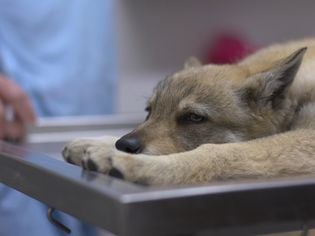
Whipworms can make puppies feel awful. They cause stomach upset and diarrhea, and they can prevent puppies from gaining weight, With a severe infestat

Fleas are tiny insects that bite, cause itching and irritation, transmit diseases, and aren't wanted guests for any dog. Despite these lack luster qua
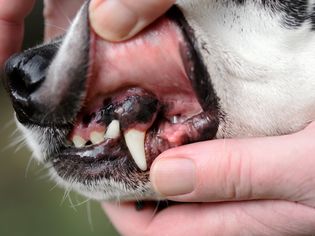
A solid indicator of your dog's health is the color of his gums. Healthy dog gums are powdery pink in color. When this color and other normal gum

A cleft palate may not be immediately noticeable in a puppy, but it's a serious birth defect that needs special attention. This physical deformity
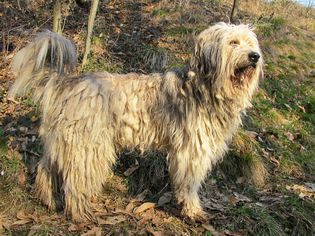
The Bergamasco sheepdog is a medium-large herding dog breed from Italy that has a long coat that naturally forms loose mats, or flocks, for protection
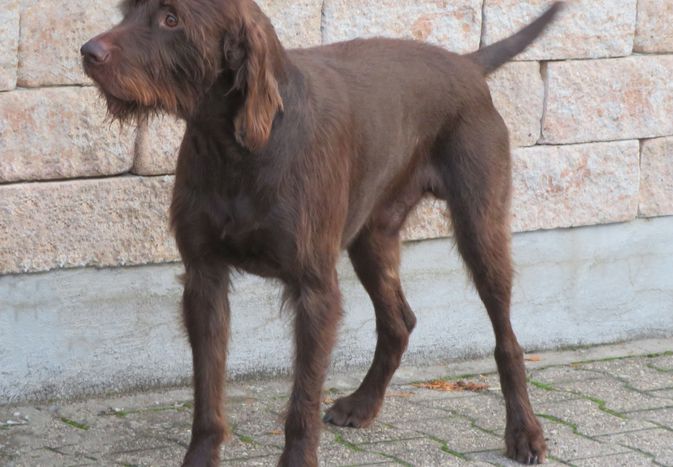
The pudelpointer is a medium-sized dog breed known for their playful personality and robust work ethic. Although they excel as family companions, this

The bichon frise is a small non-sporting dog breed with long, curly white hair that makes their dark eyes and nose pop. Many say bichons are fluffy li
We are a comprehensive and trusted information platform dedicated to delivering high-quality content across a wide range of topics, including society, technology, business, health, culture, and entertainment.
From breaking news to in-depth reports, we adhere to the principles of accuracy and diverse perspectives, helping readers find clarity and reliability in today’s fast-paced information landscape.
Our goal is to be a dependable source of knowledge for every reader—making information not only accessible but truly trustworthy. Looking ahead, we will continue to enhance our content and services, connecting the world and delivering value.