
Why Does My Dog Pee on My Bed?
If your dog is peeing on your bed, you are likely beyond frustrated. Dog urine can ruin your bed. Plus, if you don't use a urine detector to find and
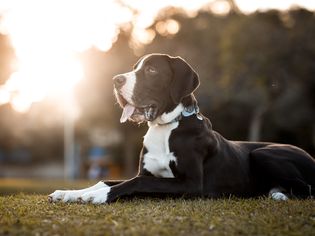
Finding a growth or swelling on your pet can be alarming for any dog owner. This is certainly true if your dog develops a bulbous, fluid-filled swelling on its elbow. The swelling is likely a non-cancerous growth called an elbow hygroma, caused by repeated minor trauma to bony prominences on your dog, such as hitting the ground when lying down.
A hygroma can lead to tissue erosion, abscesses, and ulcers if left untreated. Hygromas occur more commonly in large and giant breed dogs like German shepherds, Labradors, Great Danes, and mastiffs. While typically benign and treatable at home, a vet visit is warranted to assess the swelling and determine that it isn't growing or becoming infected. Your dog's veterinarian can easily treat elbow hygromas with a few simple changes to your dog's bedding.
An elbow hygroma is a fluid-filled swelling that typically occurs over the elbow joint. A hygroma starts as a small, soft, and moveable mass, but it can become large and hard over time. Elbow hygromas are not painful and can occur over any bony prominence or pressure point, including the "sit bones" of the hip and hock joints, but they are most often seen over the elbow.
Hygromas start as small, soft lumps on a dog's elbow that can grow to about 2 inches in diameter. Your dog will likely not show any signs of illness or discomfort unless the hygroma becomes infected. Symptoms of an infected elbow hygroma may include:
If the hygroma starts to release any white or colored fluid, and you find your dog licking at the open wound, this is a clear sign of infection.
Inflamed follicles, or folliculitis, on the hygroma may indicate infection. They are acne-like lesions on the skin that may release pus.
A hygroma is likely infected if it is warmer to the touch than the rest of the body.
A hardened hygroma is symptomatic of infection and will make laying down uncomfortable for your dog.
Elbow hygromas occur when dogs experience minor trauma to the thin skin over a bony prominence.
Hygromas occur more commonly in large and giant breed dogs like German shepherds, Labradors, Great Danes, and mastiffs.
Hygromas in dogs can usually be diagnosed at home by examining the symptoms of your dog's growth. If you're still uncertain, a hygroma can be quickly diagnosed through physical examination by a veterinarian.
When caught still small, adding soft, padded bedding (comforters, egg-crate foam mattress toppers, etc.) to your dog's favorite resting spots may be the extent of necessary care. If the hygroma is small enough, this may not only stop its progression, but it may allow for regression of the hygroma. Cold-laser therapy can also help bring down inflammation. There are braces and elbow pads, some custom-made, that can help prevent the progression and abscessation of hygromas. Ask your vet if you think your dog could benefit from a brace.
If your dog's hygroma grows to a size that is not manageable through more conservative treatment methods, draining the fluid or surgical removal of the hygroma may be the best option. However, you should note that draining and removal do not guarantee that the hygroma won't recur. It is essential to increase padded and cushioned resting areas to ensure that another hygroma won't develop in a place where one was just removed. Given that hygromas form on pressure points, if your dog's hygroma is surgically removed, adding cushioning and padding to its resting areas will also help prevent any complications during recovery, such as infections and opening of the incision.
If small and uncomplicated by secondary infections, hygromas can be easily treated. As a hygroma gets larger, however, the risks of complications during treatment can increase. Catching a hygroma early is key to easy recovery before it becomes hardened or infected and requires more invasive treatments. If you notice a growth on your dog, no matter how small, scheduling an appointment with your vet could make the difference between a simple change in your pet's routine versus an invasive surgery with the potential for a lengthy recovery period.
Hygromas in dogs are painless and easy to resolve when diagnosed early. After softening the ground on your dog's resting spots, the hygroma will heal itself in two to three weeks as the inflammatory tissue turns to scar tissue. An infected hygroma that has been treated by drainage or surgical removal may become reinfected during the healing process. During recovery, it's important to limit your dog's activity and access to the surgery site.
The best prevention of hygromas is to provide your dog with soft bedding. If your dog doesn't like to use a dog bed, add padding or foam flooring to your dog's resting spots or equip your dog's elbows with wearable pads. Maintaining a healthy weight for your dog is also important in preventing hygromas. If your dog is overweight, the pressure on the bony prominence will be more severe when contact is made with a hard surface.
Hygromas in dogs are caused by repeated, minor trauma to the tissue over a bony prominence. In response, the body forms the hygroma as a means of cushioning the affected area.
Hygromas look like a bubble underneath the skin, sometimes up to 2 inches in size.
If a hygroma is caught early and not infected, it can be treated by adding padding to soften your dog's resting spots. If the hygroma grows to an unmanageable size or becomes infected, visit your vet to determine the best treatment for your dog.
If your dog is peeing on your bed, you are likely beyond frustrated. Dog urine can ruin your bed. Plus, if you don't use a urine detector to find and
Safe interactions between kids and dogs are what every dog-loving parent wants. You may know all about dog bite prevention. You know better
How often you should deworm a dog depends on their age and whether or not they have worms. Intestinal parasites, commonly referred to as worms, are fo
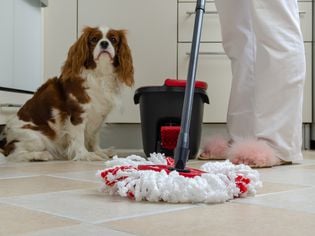
It’s no secret that if you have pets, you’re going to have messes to clean up as well. Whether you share your home with a cat or dog, spot mopping and
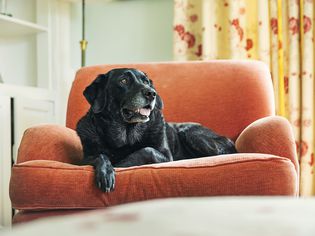
Does your dog make a whistling noise when they breathe? Is the whistling new or has it been happening off and on for a while? Whistling while breathin
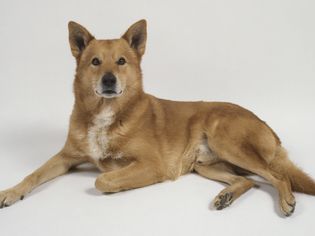
The Canaan dog is a rare, medium-size herding dog breed from the Middle East, with a short coat, square build, upright ears, and bushy tail. This is a

The shih tzu–poodle mix, often referred to as a shih-poo, is a hybrid breed created by crossing the shih tzu with a poodle. The two smaller poodle var
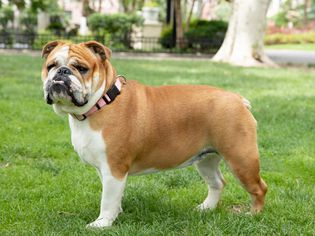
The bulldog is a medium-sized dog from England known for their trademark gloomy face, wide shoulders, and endearing rolling gait. This is quite possib
We are a comprehensive and trusted information platform dedicated to delivering high-quality content across a wide range of topics, including society, technology, business, health, culture, and entertainment.
From breaking news to in-depth reports, we adhere to the principles of accuracy and diverse perspectives, helping readers find clarity and reliability in today’s fast-paced information landscape.
Our goal is to be a dependable source of knowledge for every reader—making information not only accessible but truly trustworthy. Looking ahead, we will continue to enhance our content and services, connecting the world and delivering value.