
How to Housetrain Your Puppy
Dogs can be housetrained at any age, but puppies learn much more quickly than adult dogs. Puppies are cute enough that most owners forgive puppy-sized

The Lakeland terrier is a small terrier dog breed from England with a short, wiry coat that can come in an array of colors and doesn’t shed much. While this breed is small in stature, it still has fairly long legs that allow it to be a sturdy, swift athlete. Its head is rectangular with small, V-shaped ears and fairly small, oval eyes. Overall, the breed resembles its larger cousins, the Welsh and Airedale terriers. It’s a little dog with a big personality and was bred to be a fearless hunter.
Group: Terrier
Height: 13.5 to 15 inches
Weight: 15 to 17 pounds
Coat: Short, wiry double coat
Coat Color: Black, black and tan, blue, blue and tan, grizzle and tan, red, red grizzle, or wheaten
Life Span: 12 to 15 years
Temperament: Bold, bright, fearless
Hypoallergenic: Yes
Origin: England
Lakeland terriers generally have a spunky and bold temperament. They can be quite playful and sometimes even a little mischievous. High intelligence also helps to shape their personality, though they can be stubborn about training at times.
| Affection Level | High |
| Friendliness | Medium |
| Kid-Friendly | Medium |
| Pet-Friendly | Medium |
| Exercise Needs | Medium |
| Playfulness | High |
| Energy Level | Medium |
| Trainability | Medium |
| Intelligence | High |
| Tendency to Bark | Medium |
| Amount of Shedding | Low |
The Lakeland terrier can trace its roots back to the 1700s. It’s actually one of the United Kingdom’s oldest terrier breeds, and its name comes from the Lake District of Northern England. It has also been known as the Fell, Patterdale, Cumberland, and Westmoreland terrier. Farmers in this area used packs of terriers to exterminate vermin on their property, as well as to hunt foxes that threatened their sheep and other livestock.
The Lakeland’s breed standard was honed in the early 1900s. The now-extinct Old English black and tan terrier and the Welsh terrier are thought to be part of its makeup. And the Bedlington terrier, wire fox terrier, border terrier, and Dandie Dinmont also might have contributed to the modern breed.
The American Kennel Club first recognized the breed in 1934. And the United States Lakeland Terrier Club formed in 1954.
The Lakeland terrier prefers a fairly active lifestyle. Its coat stays relatively clean, but it does need some specific grooming. And the breed should receive training and socialization from a young age.
Plan to give your Lakeland terrier at least an hour of exercise per day. Long walks, jogs, hikes, and vigorous games of fetch all are ideal activities. Dog sports, such as tracking and agility, also can provide some much-needed mental stimulation for this smart breed.
Always keep your Lakeland terrier on a leash or in a securely fenced area when outdoors. The breed’s strong prey drive can cause it to take off quickly chasing perceived prey, and it might ignore your recall commands.
Brush your Lakeland terrier’s coat at least weekly to remove any loose fur and dirt. The coat also should be hand-stripped periodically to remove the dead fur that doesn’t shed out on its own. Clipping the coat will change its texture, turning it softer and not as weather-resistant.
Bathe your dog every four to six weeks, depending on how dirty it gets. But check its ears at least weekly to see whether they need cleaning. Also, aim to brush its teeth every day, and trim its nails roughly once a month.
Lakeland terriers are very bright, but they also can be stubborn and independent. If they don’t want to do something, it’s very difficult to force them into it. Start training and socializing ideally from puppyhood to instill good manners and prevent bad habits.
Always use positive-reinforcement training methods, and be consistent in your commands. Plus, try to keep training sessions fun and varied, so your dog doesn’t become bored. This breed is too smart for repetitive tasks.
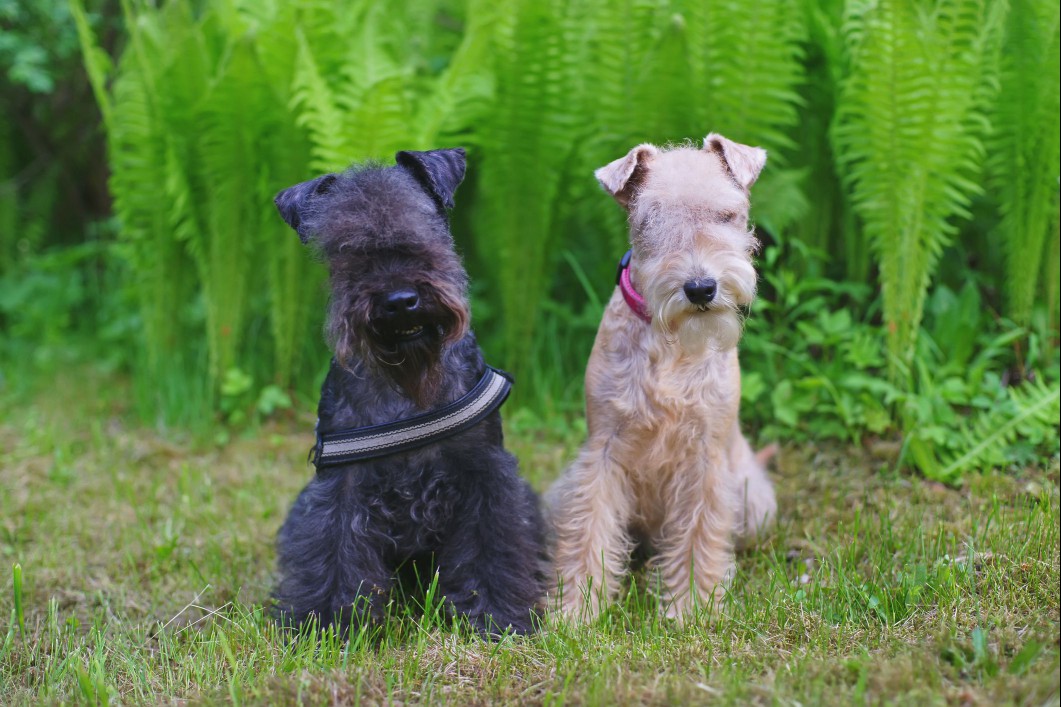


The Lakeland terrier is generally a very healthy dog breed. It is not prone to any known hereditary health issues. Some breeders still screen for issues that are often seen in other dog breeds, including eye problems, heart disease, and patellar luxation. But the official breed club does not recommend any mandatory testing.
Always have fresh water accessible for your Lakeland terrier. And feed it a quality canine diet with balanced nutrition, typically via two measured meals per day. Discuss the amount and type of food with your vet to ensure that you’re meeting your dog’s individual needs. Some dogs need a special diet depending on their age, activity level, and other factors. Also, limit treats and other extra food to prevent overfeeding.
The Lakeland terrier is not a very common dog breed, though it is still possible to find at animal shelters and rescue organizations. See whether you can get your name on a breed wait list. In addition, breeders might be difficult to find, depending on where you live. For a puppy from a responsible breeder, expect to pay around $1,200 to $2,400 on average.
For more information to help you find a Lakeland terrier, check out:
Generally healthy breed
Playful and entertaining
Doesn't shed much
High prey drive
Can be stubborn about training
Needs specialized grooming
Before you decide to bring a Lakeland terrier home, be sure to do plenty of research. Talk to Lakeland terrier owners, reputable breeders, rescue groups, and veterinary professionals to learn more about day-to-day life with this breed.
If you’re interested in similar breeds, check out:
There’s a whole world of potential dog breeds out there—with a little research, you can find the right one to bring home!
In general, Lakeland terriers are moderately tolerant of children. They can be good for families with respectful older children, but they should be supervised around young children.
Well-trained and socialized Lakeland terriers might be alert around strangers, but that typically does not turn to aggression. However, the breed might be aggressive toward small animals that it perceives as prey.
Lakeland terriers are fairly adaptable dogs. They often can live in apartments as long as they receive sufficient exercise and mental stimulation every day.

Dogs can be housetrained at any age, but puppies learn much more quickly than adult dogs. Puppies are cute enough that most owners forgive puppy-sized

From improving digestive health to protecting against cancer, blueberries are often called “superfoods” due to their significant health benefits for u

Cauliflower is a cruciferous veggie full of fiber that is safe for dogs to eat in moderation. Adding veggies to your dog’s routine can be a great way

Tapeworms are rarely a serious health risk, but they can pose problems ranging from irritation and itchiness to malnutrition and weight loss. These pa

If you want a big dog personality in a little dog package, then a French Bulldog could be for you. Also known as Frenchies, these pups are small but m
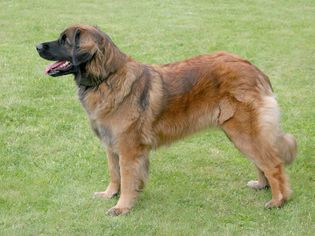
The Leonberger, or Leo, is a thick-coated giant dog with a hard-working spirit and a gentle disposition that hails from the city in Germany after whic

Most of today’s mastiff breeds are mellower than their ancestors, but they are still massive and powerful dogs. There are over 20 types of mastiff dog
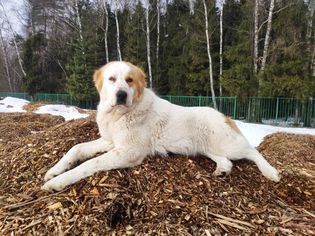
Central Asian shepherds may be one of the first dog breeds to ever exist, but they definitely aren't a good first dog for someone looking for a pet. T
We are a comprehensive and trusted information platform dedicated to delivering high-quality content across a wide range of topics, including society, technology, business, health, culture, and entertainment.
From breaking news to in-depth reports, we adhere to the principles of accuracy and diverse perspectives, helping readers find clarity and reliability in today’s fast-paced information landscape.
Our goal is to be a dependable source of knowledge for every reader—making information not only accessible but truly trustworthy. Looking ahead, we will continue to enhance our content and services, connecting the world and delivering value.