
Simple Steps to Train a Puppy to Lie Down
Why is it important to learn how to train a puppy to lie down? Dogs use certain postures naturally as ways to signal intent. Puppies are no diffe
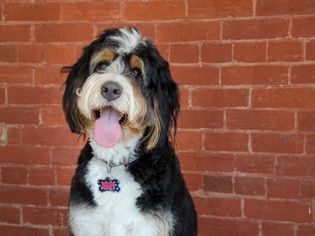
The Bernedoodle is a hybrid breed created by crossing Bernese mountain dogs with poodles. Standard poodles are most commonly used. Depending on their size, Bernedoodles are typically classified as standard, miniature, or tiny. Every Bernedoodle is an individual with a unique personality, but you can generally expect that this dog will be fun, cuddly, friendly, and playful. And, thanks to their low- to non-shedding, hypoallergenic coat, these dogs are also a good option for those with allergies.
Learn more about the Bernedoodle, including the breed’s history, temperament, and needs.
Group: Hybrid
Weight: Standard: 50 to 90 pounds; miniature: 25 to 49 pounds; tiny: 10 to 24 pounds
Height: Standard: 23 to 29 inches tall at the shoulder; miniature: 18 to 22 inches; tiny: 12 to 17 inches
Coat: Variable; usually wavy to curly
Coat Color: Variable; most common colors are black, black and white, black and brown, or tri-color
Life Span: Variable depending on size; generally 12 to 17 years
Temperament: Active, playful, social, intelligent
Hypoallergenic: Yes
Origin: Canada
The Bernedoodle is an attractive breed known for its affectionate and friendly personality. These dogs make great family pets because they can get along well with children and other pets, including other dogs.
People who breed Bernedoodles say that you get the best of both worlds: a calm, loyal, intelligent, trainable dog with a non-shedding coat. In reality, a Bernedoodle’s temperamental and physical traits are highly variable. Some Bernedoodles are outgoing and some are reserved with strangers. Some Bernedoodles are hyperactive rather than calm. Some are stubborn, which makes training difficult.
| Affection Level | High |
| Friendliness | Medium |
| Kid-Friendly | Medium |
| Pet-Friendly | Medium |
| Exercise Needs | Medium |
| Playfulness | Medium |
| Energy Level | Medium |
| Trainability | Medium |
| Intelligence | High |
| Tendency to Bark | Medium |
| Amount of Shedding | Medium |
Bernedoodles were first created in 2003 by Sherry Rupke, in the wake of the “doodle” craze that swept the world after the Labradoodle came on the scene in the 1990s. Although it’s possible the first Bernedoodles may have been the result of accidental breeding, a few breeders began intentionally crossing Bernese mountain dogs and poodles.
Purebreds have been bred for generations following a special blueprint—the breed standard, which is the written description of the ideal physical and temperamental traits of the breed. For this reason, purebred dogs are very standardized, with predictable height and weight, body structure, color, coat type, and temperament. Because the Bernedoodle is a hybrid and not a purebred dog, it is not recognized by any of the reputable purebred dog registries, such as the American Kennel Club or United Kennel Club. The Bernedoodle also does not have an official breed standard, so there is a lot of variation in how individual Bernedoodles look and act. Different breeders may have different ideas of what makes a Bernedoodle, so it’s hard to know what you might get if you buy a Bernedoodle puppy.
Bernedoodles may be first generation crosses (called F1), second generation (F2), third generation (F3), and so on. An F1 Bernedoodle is a 50-50 cross between a purebred Bernese mountain dog and a purebred poodle. The resulting puppies in an F1 litter are quite variable. Some may look more like Bernese mountain dogs and some may look more like poodles. Some puppies might look like a mix between the two parent breeds, and some might look nothing like either parent breed. Coat type and level of shedding can be all over the map in a litter of F1 Bernedoodle puppies.
F2 Bernedoodles result by crossing two F1 Bernedoodles. F2 Bernedoodles also have variable coat types. Some breeders introduce more poodle into the bloodlines to help achieve more consistency in coat type. This is called backcrossing and is indicated by a B (for instance, F2B). Bernedoodles that are 25% Bernese mountain dog and 75% poodle are more likely to have a low-shedding or non-shedding coat.
Because Bernedoodles are a mix of the poodle and Bernese mountain dog, you could have two of these dogs that are quite different in terms of their coat and temperament. No matter what, training your dog, spending time with them, grooming them properly, and making sure they get the exercise they need is necessary.
Bernedoodles need plenty of daily exercise, including one or two walks a day plus off-leash games of fetch in a safely enclosed space like a fenced yard or dog park. Athletic Bernedoodles with biddable temperaments might also enjoy training for fun dog sports. They are likely to have a great time with the following activities:
Some people believe that Bernedoodles are hypoallergenic, but this is not always the case. Some Bernedoodles shed and mat a lot, some shed moderately, and some shed very little or not at all. The higher the percentage of poodle in the mix, the better the likelihood of a low-shedding coat. Depending on the nature of an individual Bernedoodle’s coat, it may be less likely to cause issues in people with dog allergies. Before bringing home a Bernedoodle, allergic people should spend time with the dog in question to be sure the dog doesn’t elicit allergy symptoms.
Grooming requirements for the Bernedoodle vary depending on the type of coat. Although most Bernedoodles have wavy to curly coats, some have straighter coats. Coats that are more straight than wavy tend to shed more, so need more frequent brushing—daily or every other day—to remove loose hair and prevent matting. Curlier coats shed less, but also need regular brushing to keep the coat untangled. Brush wavy and curly coats a few times a week.
Like poodles, wavy-and curly-coated Bernedoodles need trimming from a professional groomer every four to eight weeks.
In addition to brushing and grooming, trim your Bernedoodle’s nails every two weeks, and look inside their ears weekly, cleaning them with a pet safe ear cleaner if they look dirty. If you see excessive dirt or redness in the ears, schedule a veterinary visit.
Bernedoodles are smart, but how trainable they are depends on if they inherited the more agreeable nature of the poodle or the stubborn side of the Bernese mountain dog. Either way, positive training methods like clicker training paired with tasty treat rewards will help you get the best results from your Bernedoodle.
Start obedience training using positive reinforcement from a young age so your puppy can grow into an adult dog who knows the rules and gets along great with people and other pets.
Although many hybrid dog breeders claim that crossing two different purebreds results in puppies that are healthier than either parent breed, science tells us that genes don’t necessarily work this way. Most purebred dogs have certain inherited health disorders in their family history. Crossing Bernese mountain dogs with poodles means the puppies can potentially inherit any of the genetic diseases common to either breed.
Also, some breeders use miniature or toy poodles to create smaller Bernedoodles. Crossing giant breeds with small breeds is risky and must be done carefully to avoid complications in the breeding mother or in the resulting puppies.
Bernese mountain dogs are prone to:
Like Bernese mountain dogs, poodles can be prone to bloat, hip dysplasia, eye diseases, autoimmune diseases, and von Willebrand disease. These dogs can also be affected by certain genetic health conditions, including:
Responsible breeders start with healthy, well-bred adult purebred dogs and test them for the genetic diseases common to those breeds before breeding them together. Reputable breeders should also test their adult Bernedoodle hybrids before breeding them to decrease the probability that the puppies will be affected by genetic issues. And they should offer a health guarantee on their puppies should they develop a genetic disease later in life.
The amount of food you’ll need to feed your Bernedoodle daily will depend on their size. Feed measured meals twice a day rather than free feeding (leaving food out all the time). It’s important to keep your Bernedoodle lean to prevent the development or worsening of joint disorders like hip dysplasia and elbow dysplasia, as well as weight-related health problems like diabetes.
Standard Bernedoodle puppies that may grow to be giant-sized by adulthood should eat food formulated for large-breed puppies to encourage slow and steady growth.
Talk to your breeder or veterinarian to get a recommendation for a healthy food for your Bernedoodle, as well as an ideal healthy weight for your adult Bernedoodle.
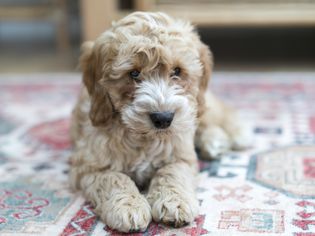
If you’re thinking about purchasing a Bernedoodle puppy, you have two options: rescues and breeders. The price of a Bernedoodle from a breeder may depend on factors like the dog’s size and whether they’re an F1 or F2, but these dogs can cost $2,000 to $5,000, on average.
You can check your local animal shelters and rescue organizations for Bernedoodles looking for new homes. Most Bernedoodles in rescues are adults, but sometimes, Bernedoodle puppies might find themselves in need of a new family.
If you have your heart set on a Bernedoodle puppy, you will want to look for a responsible breeder who tests their breeding dogs for health issues common to both the Bernese mountain dog and poodle. Responsible Bernedoodle breeders paint a realistic picture of Bernedoodle ownership rather than make promises about the “perfect breed” that may not be true for every individual Bernedoodle.
Bernedoodles are great dogs that combine the qualities of Bernese mountain dogs and poodles. They can make loyal companions, but they do require a good amount of exercise and training, so there is a lot to consider before bringing one home.
If you like the Bernedoodle, you might also like these breeds:
Otherwise, check out all of our other dog breed articles to help you find the perfect dog for you and your family.
In addition to being a newer hybrid breed, the Bernedoodle is expensive because reputable breeders will take steps to ensure their puppies will be as healthy as possible. Also, size plays a role, with smaller Bernedoodles typically being more expensive.
Standard Bernedoodles can grow to be 29 inches tall. Miniature Bernedoodles can be 22 inches tall. Tiny Bernedoodles can be 17 inches tall.
Bernedoodles can be high maintenance, especially if they have wavy or curly coats that require professional grooming in addition to regular brushing. They can also be stubborn, making training more challenging.
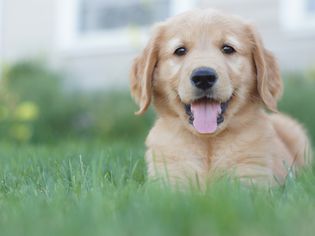
Why is it important to learn how to train a puppy to lie down? Dogs use certain postures naturally as ways to signal intent. Puppies are no diffe

Cauliflower is a cruciferous veggie full of fiber that is safe for dogs to eat in moderation. Adding veggies to your dog’s routine can be a great way
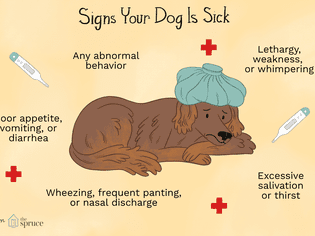
The signs your dog is sick may be subtle or vague at first, making them easy to miss. Since your dog can't tell you how they feel in words, you
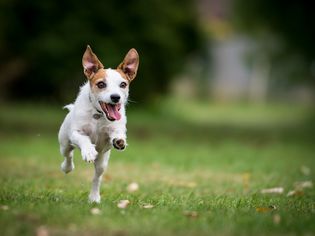
The Jack Russell terrier is a small but solid and spunky breed. These dogs stand only about a foot tall but pack plenty of personality and adventure i
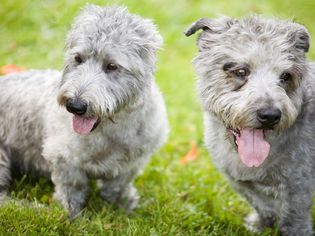
The Glen of Imaal terrier is a medium-size terrier dog breed from Ireland with a medium-length wiry coat that doesn’t shed much. Overall, the dog is l
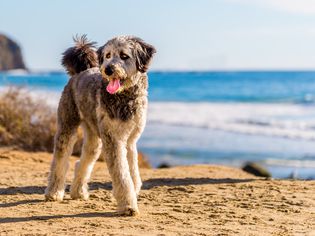
The Aussiedoodle is a cross between an Australian shepherd and a standard poodle. Aussiedoodles are energetic, medium-to-large dogs that may not bothe
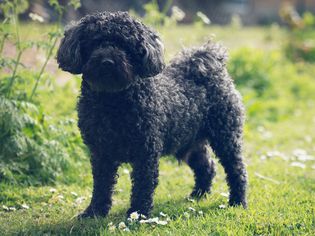
The Pumi is a medium-sized herding dog from Hungary with signature corkscrew curls on its double coat, a curled tail, and a lean, athletic body. These

Just because you are getting older or are retired doesn't mean your dog-owning days are behind you. A dog can be a wonderful companion for a senio
We are a comprehensive and trusted information platform dedicated to delivering high-quality content across a wide range of topics, including society, technology, business, health, culture, and entertainment.
From breaking news to in-depth reports, we adhere to the principles of accuracy and diverse perspectives, helping readers find clarity and reliability in today’s fast-paced information landscape.
Our goal is to be a dependable source of knowledge for every reader—making information not only accessible but truly trustworthy. Looking ahead, we will continue to enhance our content and services, connecting the world and delivering value.