
Common Canine Behaviors Explained
There's no doubt that every dog is its own person and has a specific personality. But nearly all dogs are guilty of a few bizarre behavior pattern
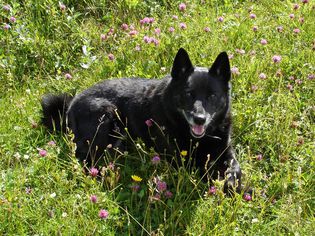
The Norwegian Buhund is a hardy, medium-sized herding breed from Norway with upright pointed ears, a thick double coat, and a classic spitz tail that curls over its back. Also called Northern breeds, spitz dogs are indigenous to mostly cold and snowy regions. Norwegian Buhunds can either have black or wheaten fur, which can be several different tan hues.
These dogs are known for having energetic, fun-loving personalities that can pair with a variety of families and lifestyles. Norwegian Buhunds do especially well with active owners that love to take their dog along for new adventures together.
Group: Herding
Height: 17 to 18.5 inches (males); 16 to 17.5 inches (females)
Weight: 31 to 40 pounds (males); 26 to 35 pounds (females)
Coat: Double coat with a thick, hard, and smooth-lying outercoat and a soft, dense undercoat
Coat Color: Wheaten (ranges from pale cream to orange) or black
Life Span: 12 to 15 years
Temperament: Intelligent, confident, friendly, affectionate, courageous
Hypoallergenic: No
Origin: Norway
Norwegian Buhunds have gentle, cheery, and very affectionate personalities. These dogs want to be with their people, and they thrive when provided with ample daily exercise, mental stimulation, and attention. Norwegian Buhunds are loving and devoted to their families, including respectful children and other pets when raised together.
Breed fanciers report that these dogs are fun and full of character. They tend to “sound the alarm” by barking if they hear or sense anything strange afoot, making them good watchdogs but not ideal for apartments. For owners that are prepared to keep up with this breed's energy level, training needs, and daily exercise requirements, the Norwegian Buhund can be an exceptionally loving and well-mannered companion.
| Affection Level | High |
| Friendliness | High |
| Kid-Friendly | High |
| Pet-Friendly | High |
| Exercise Needs | High |
| Playfulness | High |
| Energy Level | High |
| Trainability | Medium |
| Intelligence | High |
| Tendency to Bark | High |
| Amount of Shedding | Medium |
The Norwegian Buhund is an ancient breed that has been around since before the Vikings, and it’s likely that this breed was even kept by Vikings. According to the Norwegian Buhund Club of America, during the Gokstad Viking ship excavation in Norway, skeletons from six dogs resembling modern-day Norwegian Buhunds were discovered.
Norwegian Buhunds were used as versatile farm dogs, herding livestock and guarding their families, flocks, and homes. In fact, the name Buhund translates to “farm dog” in Norwegian. Although ancestors of the Norwegian Buhund were around for many centuries, the breed as it appears today was cultivated in the western coastland area of Norway. The first Norwegian Buhund dog show took place in Norway in 1920, and the Norsk Buhund Club was formed in 1939. Today in Norway, the breed is still used for its original purpose as a working farm dog.

Like most herding breeds, the Norwegian Buhund has a high energy level that requires significant daily exercise to stay happy and well-mannered at home. Although these dogs don't need much other than basic grooming, owners should be prepared for two heavy shedding seasons each year. This breed can be trained using positive reinforcement methods that keep new lessons entertaining.
Norwegian Buhunds are sturdy dogs with the strength, stamina, and energy to work all day long. Thanks to their history as farm workers, they still require lots of exercise to stay content at home. At least two hours per day of long walks, jogging, hiking, or games like fetch are good exercise options for this breed.
It’s not enough to just exercise the Norwegian Buhund physically—providing lots of mental stimulation is key. Without it, a Norwegian Buhund might just find his own ways to have a good time, which can lead to destructive behaviors like chewing. This active, agile, and intelligent breed will be eager to take it up a notch with competitive dog sports like agility, herding, and tracking. At the end of a long and action-packed day, most Norwegian Buhunds love to flop at their owner's feet and relax.
The Norwegian Buhund’s natural, easy-care coat only sheds moderately, making the breed a wonderful house pet in terms of stray hair. The fur naturally repels dirt, so it also stays clean and relatively odorless. Brushing your dog several times a week can help cut down on shedding. Twice a year, your Norwegian Buhund will “blow coat,” a term used to describe the heavy seasonal shedding periods where the dog drops much of its undercoat. During these times, brush daily to remove as much loose undercoat as you can.
The coat is typically longer on the neck, chest, and back of the thighs. This breed doesn't need haircuts, but its nails should be trimmed regularly. Check your dog's ears for waxy debris and clean them with a pet-safe ear cleaner as needed. It's also important to brush your dog's teeth consistently to prevent dental infections.
Norwegian Buhunds are intelligent, but they can be challenging to train. Although they do want to please you, they are also independent thinkers that can easily lose focus. Fun, positive training methods like clicker training with lots of tasty treats work best. Like all puppies, Norwegian Buhunds benefit from early, frequent training and socialization. The key to bringing out the best in your dogs is to train them with plenty of consistency (showing exactly what you expect from them) starting from the day you bring them home.
The Norwegian Buhund is a relatively healthy breed, but like most purebred dogs, it can be susceptible to a few inherited health conditions. Reputable breeders test prospective parent dogs for these issues before breeding them to avoid passing on these problems. When adopting a Norwegian Buhund puppy from a breeder, always ask to see the litter's medical background.
The following are common health issues associated with this breed:
Feed your adult Norwegian Buhund measured meals on a morning and evening schedule (puppies should eat three or four small meals per day). Use a measuring cup or scale to ensure you are feeding the correct amounts. Free feeding can cause weight gain, which can put your dog at risk for health problems including joint disease and diabetes.
If you’re not sure how much to feed your Norwegian Buhund or what kind of food is best, talk to your veterinarian or breeder. Your vet can help you determine the best nutrients and portion schedule throughout your dog's life based on its age, weight, and activity level.
Norwegian Buhunds are a very rare dog breed, so it's unlikely to find them in rescues. However, your local animal shelter can introduce you to similar dogs in need of forever homes that might just become your next best friend.
If you're planning to adopt a Norwegian Buhund puppy, it's essential to do your research and work with a responsible breeder. Your breeder should show you the litter's medical history, allow you to meet the parents, and show you the conditions the dogs are kept in. You may need to travel or join a waiting list to adopt a puppy. This breed typically costs about $2,000 to $2,500 from breeders, but prices can vary depending on pedigree and availability.
The following resources for the national breed club, breed-specific rescues, and the AKC can help you start your search:
Affectionate and loyal
Great for active families
Intelligent and eager to work
Can be stubborn during training at first
Sheds heavily twice per year
Needs considerable daily exercise
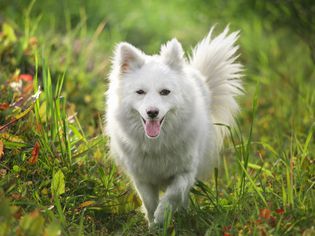
If you love the Norwegian Buhund, you might also like these similar breeds:
There's a whole world of dog breeds out there that can join your family. With a little research, you can find the perfect match for your home!
Norwegian Buhunds are a very rare dog breed in the United States. While it's not likely to find these dogs in shelters, prospective adopters can rescue similar breeds or research responsible breeders to join a waiting list for puppies.
Bred to be herding dogs that protected their families and herds of livestock, Norwegian Buhunds are great watchdogs. They are prone to barking when strange people or situations are present (which, along with their exercise needs, makes them unsuitable for most apartments).
While they are very intelligent dogs that can be trained to perform a variety of jobs, Norwegian Buhunds can be difficult to train at first. Owners will likely find success by using positive reinforcement methods and providing consistency throughout the dog's life.
There's no doubt that every dog is its own person and has a specific personality. But nearly all dogs are guilty of a few bizarre behavior pattern
The death of a beloved pet is heartbreaking and the grief does not go away overnight. Many owners struggle with the decision to get a new dog. How lon

A liver shunt can go unnoticed in a dog but will likely cause serious health problems if left untreated over time. Severe liver shunts can cause seizu
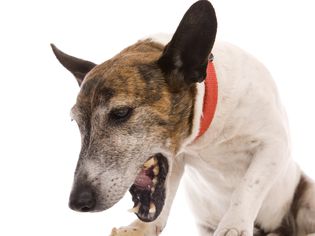
Pneumonia affects a dog's lungs, making it difficult to breathe. If left untreated, it can become a life-threatening condition for your pet. Your
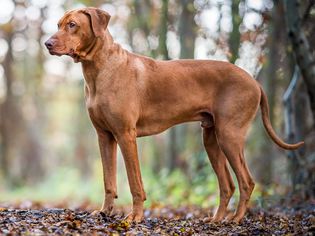
The Rhodesian ridgeback is a large hound dog breed from Africa that has a short, smooth coat with a distinctive ridge of fur running down the spine. T
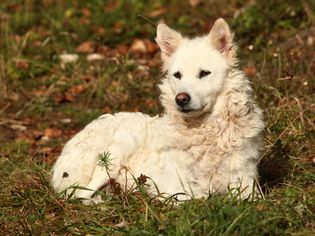
The Mudi is a medium-sized herding breed from Hungary with a wavy coat, pointed ears, and coat colors that can include a unique merle pattern. As a wo
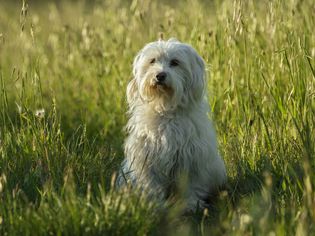
The coton de Tulear is a small, fluffy dog from Madagascar known for their affectionate, clownish personality. Related to the bichon frise and Maltese
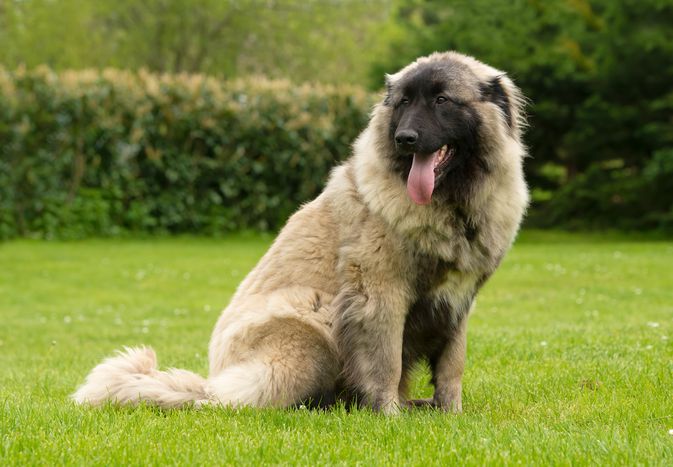
Bred to protect herds, the Estrela mountain dog is an ancient Portuguese dog breed. Today, they're utilized by the Marine and Portuguese police an
We are a comprehensive and trusted information platform dedicated to delivering high-quality content across a wide range of topics, including society, technology, business, health, culture, and entertainment.
From breaking news to in-depth reports, we adhere to the principles of accuracy and diverse perspectives, helping readers find clarity and reliability in today’s fast-paced information landscape.
Our goal is to be a dependable source of knowledge for every reader—making information not only accessible but truly trustworthy. Looking ahead, we will continue to enhance our content and services, connecting the world and delivering value.