
Why Does My Dog Bark At Everything?
Dogs bark for many reasons: to express how they’re feeling, to communicate crucial information, and to draw attention to something they find concernin
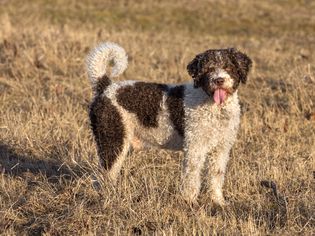
The Spanish water dog, or “Perro de Agua Español” in Spanish, is a medium-size herding dog breed from Spain that has a low-shedding, medium-length curly coat that often forms cords when it grows out.
These dogs were bred both to herd livestock and retrieve waterfowl for hunters. They still have a strong herding instinct and are adept swimmers. Although somewhat uncommon in the United States, they have many qualities that make them superb companions.
Learn all about the Spanish water dog, including the breed’s history, temperament, and more.
GROUP: Herding
HEIGHT: 15.75 to 18 inches (females), 17.5 to 19.75 inches (males)
WEIGHT: 31 to 40 pounds (females), 40 to 49 pounds (males)
COAT: Medium length, curly, corded
COAT COLOR: Black, black and white, brown, brown and white
LIFE SPAN: 12 to 14 years
TEMPERAMENT: Active, alert, protective
HYPOALLERGENIC: Yes
ORIGIN: Spain
Lots of energy is the cornerstone of the Spanish water dog’s personality, but they’ll gladly relax once indoors after some fun outside. These dogs generally have an upbeat temperament and like having a job to do. They are also quite smart and eager to learn. But, when bored, they can become destructive, such as by digging, and when they’re excited or alert, they can be vocal.
Spanish water dogs are great family dogs and can get along with kids and other pets, but they might try herding small children and animals. They are typically very affectionate, playful, and loyal with family, and excel at training.
This is an excellent breed for people with an active lifestyle who like spending lots of time outdoors. However, this dog might not be ideal for some first-time dog parents, as they need lots of mental stimulation and exercise, and they have strong protective and herding instincts.
The Spanish water dog and Portuguese water dog are separate breeds with some similarities and differences that include:
| Affection Level | High |
| Friendliness | Medium |
| Kid-Friendly | Medium |
| Pet-Friendly | Medium |
| Exercise Needs | High |
| Playfulness | High |
| Energy Level | High |
| Trainability | High |
| Intelligence | High |
| Tendency to Bark | Medium |
| Amount of Shedding | Low |
The origin of the Spanish water dog is unclear, as the breed has existed in parts of Spain—primarily the Iberian Peninsula—for hundreds of years. It’s possible that this dog's ancestors came from Northern Africa, though another theory suggests the dog came by way of Turkish traders.
People in the area needed a dog that was adaptable to different weather conditions. They also wanted a breed that could work in a variety of roles, including herding, swimming/waterfowl retrieval, and protection. And the Spanish water dog fit the bill on all counts.
The breed dipped in popularity toward the end of the 1900s, as machines had replaced many of the dog's jobs. However, breeders worked to preserve their traits. The American Kennel Club first recognized the breed in 2015.
It is crucial that a Spanish water dog gets ample daily exercise to be happy and healthy. Likewise, they need consistent training to make sure they're well-mannered. Plus, they do have some particular grooming needs, though they aren't overly time-consuming.
Spanish water dogs have a lot of physical and mental energy to burn. They should receive at least one to two hours of exercise per day via:
Ideally, they should be allowed to stretch their legs by running and playing in a secure area off-leash, too.
The Spanish water dog has a low-shedding coat, but its care is somewhat atypical because it’s curly. Traditionally, the coat is never brushed, combed, blow-dried, or trimmed. Instead, it is sheared to the skin as necessary, just like a sheep.
Some owners let it grow out to a moderate length before shearing while others allow the curly hair to grow longer and form its natural cords. Depending on your preferences, you often can go several months before the coat needs shearing.
Maintaining the cords does take some work, as they must be separated to prevent mats. Also, bathing a dog with a corded coat is different from bathing a typical dog. You must use a mild shampoo (no conditioner) and gently squeeze the shampoo into the coat rather than rub or scrub. To rinse, you must again squeeze the coat gently as the water runs through it. To dry, blot the coat with a towel (no rubbing), and then simply let it air dry.
Beyond that, check your dog’s nails roughly every four to six weeks to see whether they need a trim. And aim to brush the teeth daily. Additionally, look in the ears at least weekly for wax buildup and any abnormalities. Make sure to dry the ears well after your dog goes swimming.
Spanish water dogs are highly intelligent and have excellent problem-solving skills. They respond well to positive training methods, such as clicker training that uses plenty of tasty treats and praise. Harsh corrections can cause them to shut down and not learn. Begin training as young as possible to prevent these smart dogs from learning they can get away with bad habits.
Moreover, start socialization when your dog is a puppy by exposing them to different people, other dogs, and various locations. Positive experiences can go a long way to help quell this dog’s protective instinct and teach them to be comfortable and confident.
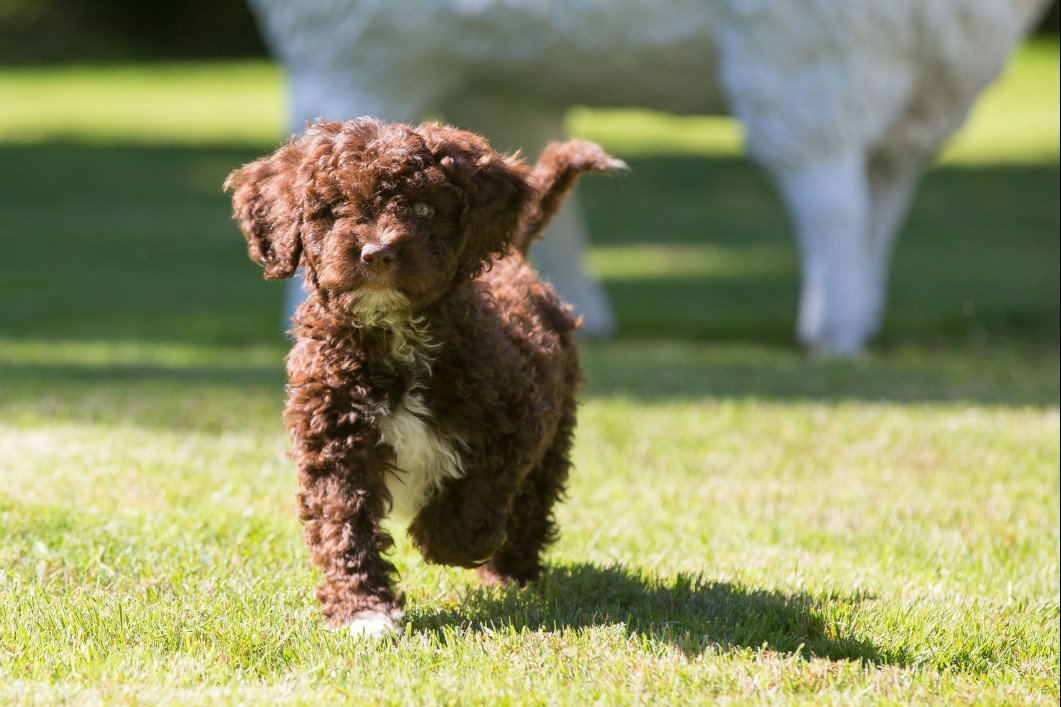
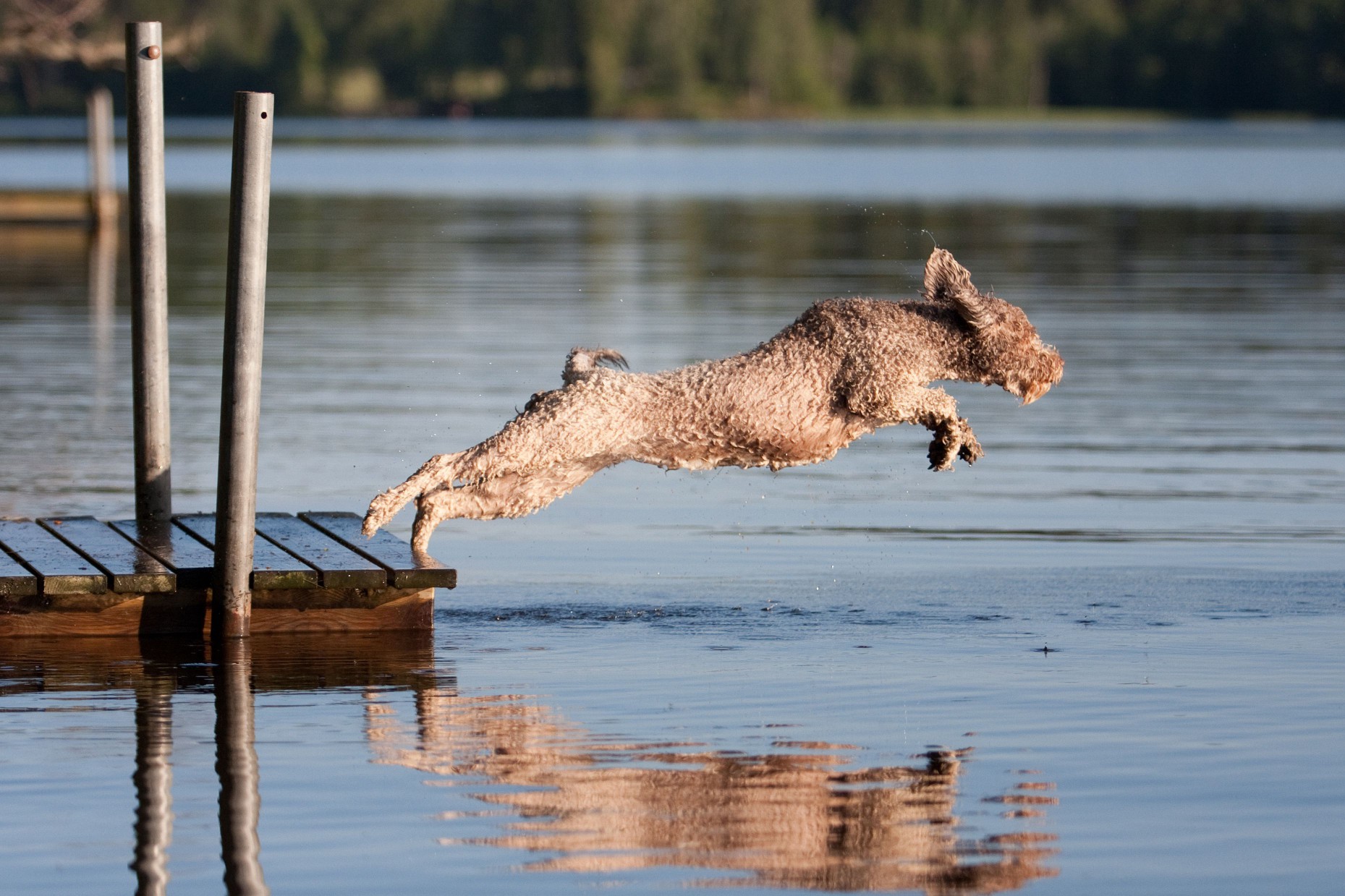
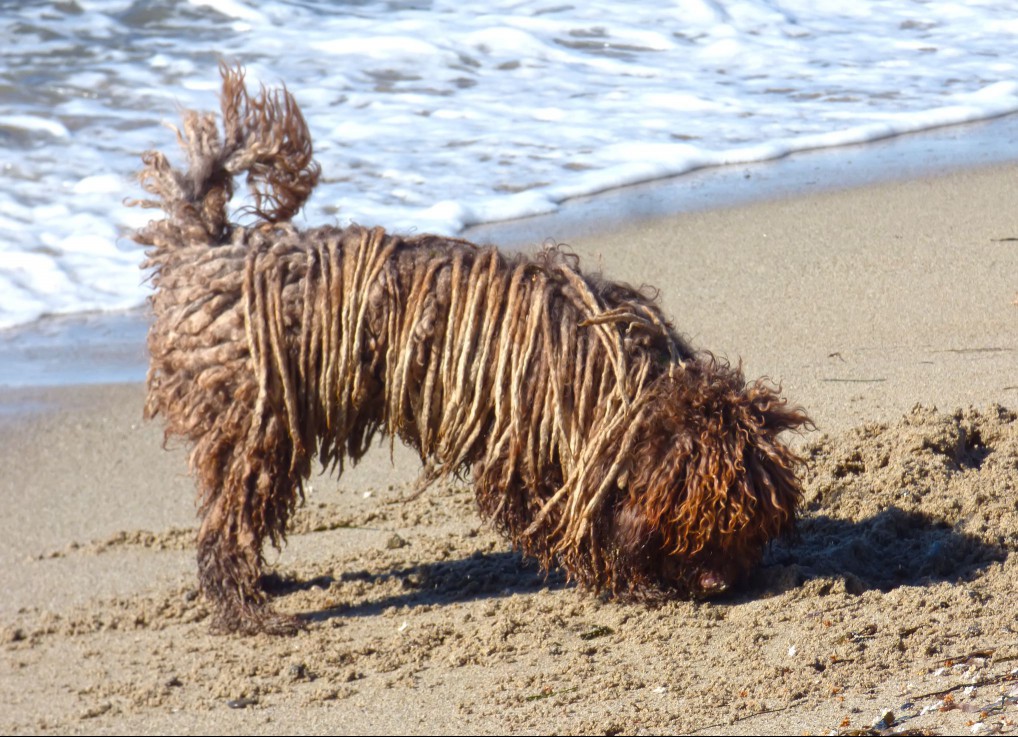
Overall, Spanish water dogs are hardy and healthy, with an average lifespan of 12 to 14 years. But they are prone to some hereditary health issues, including:
Always have fresh water available for your dog. And feed a quality, nutritionally balanced canine diet. It’s common to feed two measured meals per day, rather than leaving food out all day, to ensure your dog gets proper nutrition. But be sure to discuss the type of diet and the amount with your vet.
Some Spanish water dogs are prone to food allergies, so your vet might recommend a special diet. Plus, very active Spanish water dogs might require a performance diet that has more calories and fat. Always keep an eye on treats to prevent your dog from overeating.
The Spanish water dog is a rare breed, so it might be difficult to find one. Still, it’s worth checking animal shelters and breed-specific rescue groups for a dog in need of a home.
If you’re looking for a reputable breeder puppy, expect to pay around $1,500 to $2,500, though this can vary widely depending on bloodline and other factors.
For further information to help connect you with a Spanish water dog, check out:
The Spanish water dog can be a lot of fun for active families. They have a wonderful personality and enjoy working. However, they are higher maintenance when it comes to grooming, and require proper socialization and training.
Be sure to do plenty of research to make sure a Spanish water dog is right for your lifestyle. Talk to veterinarians, breed owners, rescue organizations, and reputable breeders. Also, try to spend some time around Spanish water dogs if possible.
If you’re interested in similar breeds, check out:
There’s a whole world of potential dog breeds out there—with a little research, you can find the right one to bring home!
While the Spanish water dog is typically protective of family, they also might be too energetic for some children, especially small children, to manage. Their herding instinct also might cause them to nip at the heels of children.
Spanish water dogs are rare and might cost $1,500 to $2,500 on average. However, various factors determine the cost of a purebred dog, such as their breeder and bloodline.
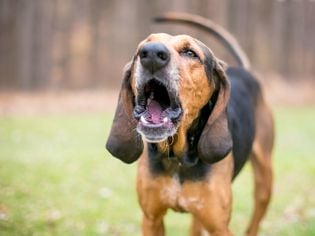
Dogs bark for many reasons: to express how they’re feeling, to communicate crucial information, and to draw attention to something they find concernin

Pit bulls have unfortunately been stereotyped as aggressive and dangerous animals, but a well-socialized and trained pit bull is far from it. Modern p
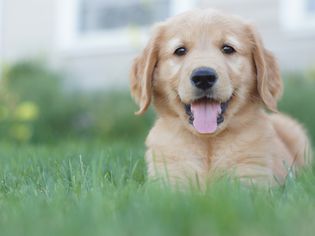
Why is it important to learn how to train a puppy to lie down? Dogs use certain postures naturally as ways to signal intent. Puppies are no diffe
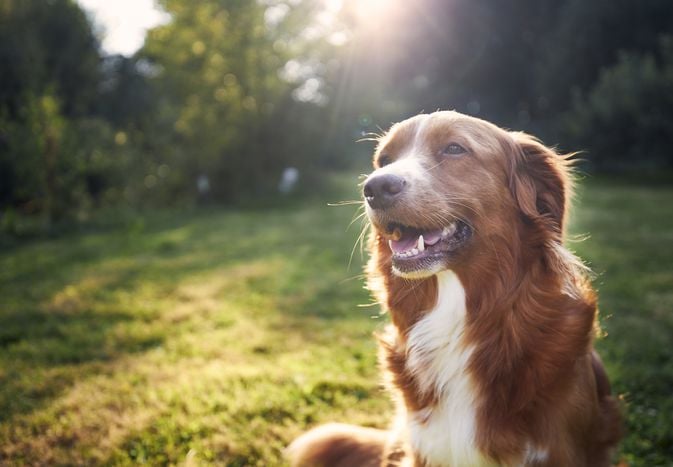
You just got the most adorable puppy and you want to breed him. But when can male dogs breed, and should you be concerned about leaving your puppy int
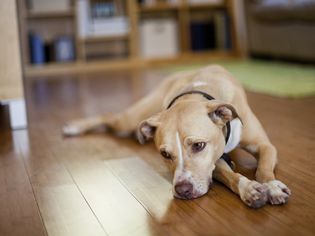
Dogs occasionally suffer bouts of depression. When dogs are depressed, they often appear sad and withdrawn. They can even lose interest in play. Altho

The miniature dachshund is a small hound dog breed from Germany with either a short, wirehaired, or longhaired coat and a long, low body. These dogs a
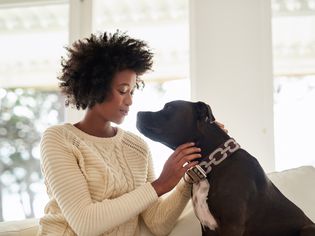
Emotional support animals (ESA) and emotional support dog breeds provide their humans with therapeutic benefits, including anxiety relief and comfort
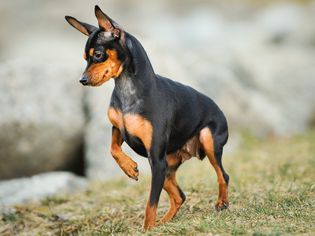
The miniature pinscher is a toy dog breed from Germany that actually isn't related to the Doberman pinscher, despite their similar appearances. Min pi
We are a comprehensive and trusted information platform dedicated to delivering high-quality content across a wide range of topics, including society, technology, business, health, culture, and entertainment.
From breaking news to in-depth reports, we adhere to the principles of accuracy and diverse perspectives, helping readers find clarity and reliability in today’s fast-paced information landscape.
Our goal is to be a dependable source of knowledge for every reader—making information not only accessible but truly trustworthy. Looking ahead, we will continue to enhance our content and services, connecting the world and delivering value.