
7 Ways Dogs Can Get Worms
The risk of parasitism by worms in dogs is, unfortunately, quite common. Most parasitic worms will reside in a dog's intestinal system. The most well-

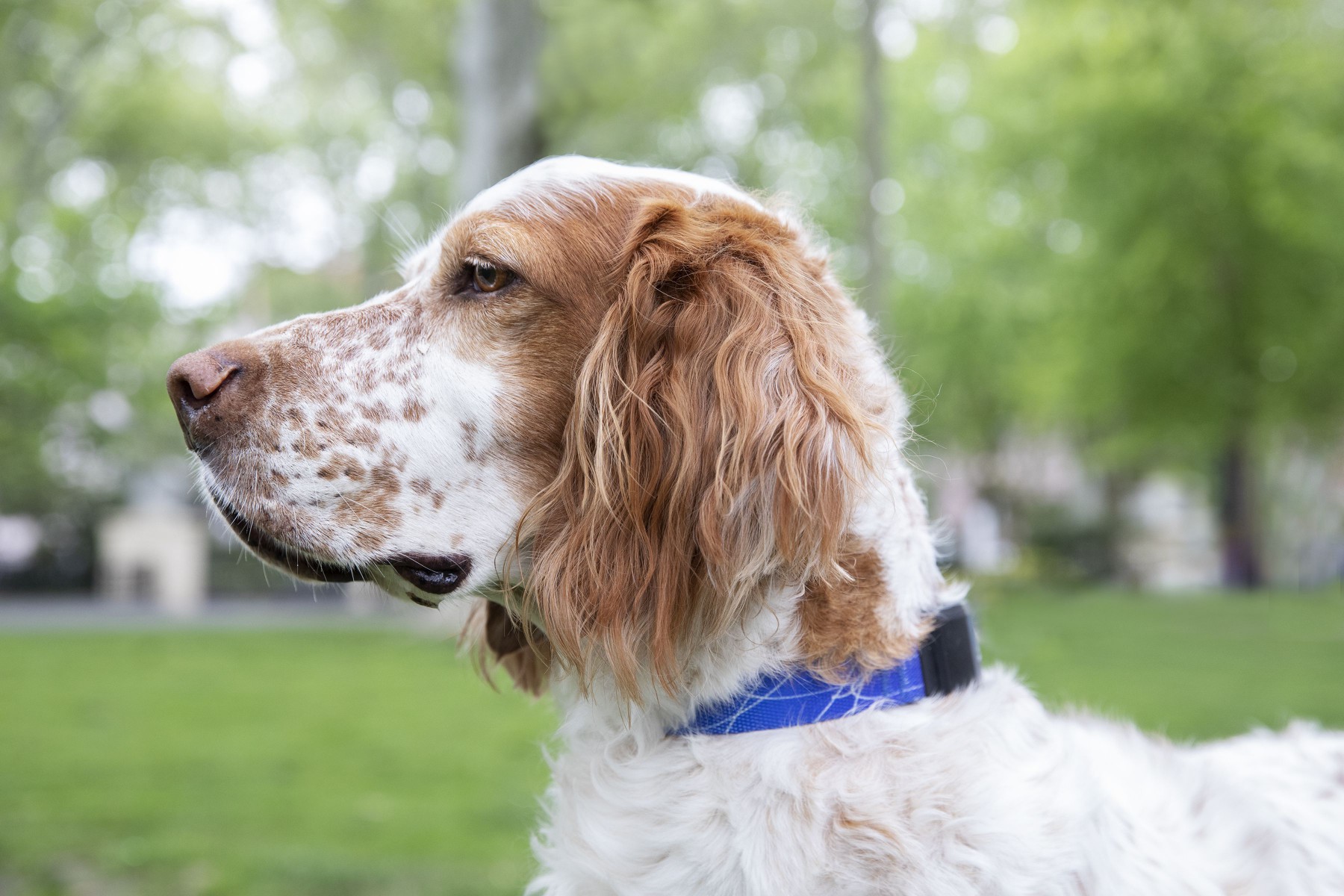
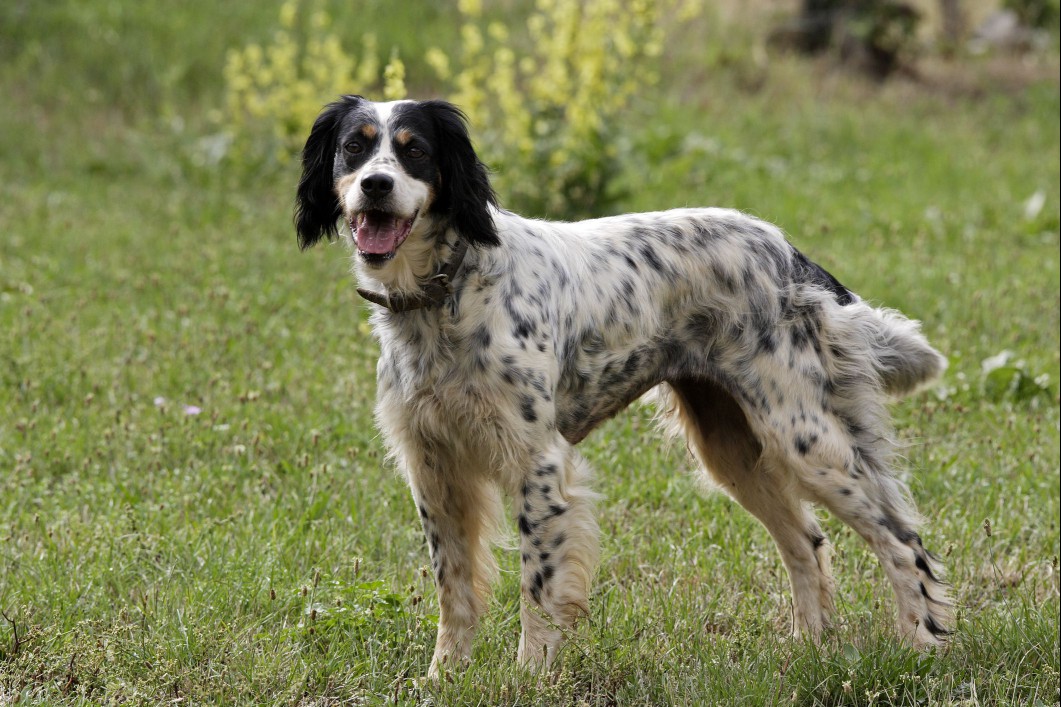
The English setter is a medium-sized dog, though on the larger side, and originally developed in the United Kingdom for their crouching, pointing, and retrieving skills when accompanying hunters. Also called “the moderate setter,” this dog is known for their well-feathered underbelly, tail, legs, chest, and ears, as well as their speckled coat pattern called belton.
English setters, like all setter breeds, are popular companion dogs known for their affectionate, gentle, intelligent, and adaptable temperament.
Learn more about the English setter’s characteristics, history, and care needs.
GROUP: Sporting
HEIGHT: 25 to 27 inches (male); 23 to 25 inches (female)
WEIGHT: 65 to 80 pounds (male); 45 to 55 pounds (female)
COAT: Flat, silky, medium-length single coat, with feathering on the ears, abdomen, chest, legs, and tail
COAT COLOR: White coat base with belton markings including flecks or intermingled roan (belton colors include orange, lemon, liver, blue, and tri-color)
LIFE SPAN: 10 to 12 years
TEMPERAMENT: Affectionate, energetic, lively, independent, playful
HYPOALLERGENIC: No
ORIGIN: United Kingdom
Providing they get enough exercise, the English setter can make a wonderful addition to a household. They're a popular choice for families, as they have a friendly and mellow demeanor. These dogs usually love to spend time with their fellow housemates, both two- and four-legged. They're gentle with respectful children and usually enjoy the company of other dogs. With the right introductions, they can also live peaceably with cats.
| Affection Level | High |
| Friendliness | High |
| Kid-Friendly | High |
| Pet-Friendly | High |
| Exercise Needs | High |
| Playfulness | High |
| Energy Level | Medium |
| Trainability | Medium |
| Intelligence | High |
| Tendency to Bark | Low |
| Amount of Shedding | Medium |
The English setter is widely regarded as being one of the oldest of the gun dog breeds. There are artworks featuring dogs closely resembling the modern-day English setter from as far back as the 15th century.
They were initially called setting spaniels and they would range out in front of the hunter on open ground and would then freeze and crouch down (set), or point, when they found their quarry. Hunters originally used nets to trap the birds, but the gun then replaced these during the 18th century. The dogs also became popular with the nobility that owned large estates.
While their exact ancestry isn't known, it's thought that English setters may have resulted from the crossing of pointing and spaniel breeds. They're known for being more gentle and slightly smaller than the Irish setter or Gordon setter.
In the 19th century, Edward Laverack began breeding English setters in earnest, and they were often crossed with dogs belonging to R. Purcell Llewellin. The dogs were even sometimes referred to as Laverack or Llewellin setters to reflect their lineage, and they provided the foundations of the breed we know today. There was a focus on an athletic physique, prominent feathering, a glossy coat, and unique markings. The Laverack line became known as the show-type, and the Llewellin line was developed for their field qualities.
In the 1870s, the first English setter was imported to the United States, and the AKC recognized them in 1884.
In the 1930s one English setter gained fame in the States. There's now a sculpture of Jim the Wonder Dog in a park in Missouri. It was alleged that he could predict the future and understand several languages. Skeptics, quite fairly, claimed he was just an intelligent dog that had been taught certain commands and was primed by his owner.
English setters continue to be a popular choice amongst the hunting community, but they're now often desirable as companion dogs given their gentle personality.
Because setters thrive in company, this breed is best suited to living in a household where they will have company for most of the day. You should still work on helping them to feel relaxed if they're left on their own for short periods to help prevent separation anxiety from developing. They need an average amount of grooming, with a little more attention on their feathered features.

The Spruce / Kristie Lee

The Spruce / Kristie Lee
The Spruce / Kristie Lee
Michel VIARD / Getty Images
Make sure your English setter gets an appropriate amount of daily exercise. Usually an hour a day, divided into two periods of 30 minutes each, will suffice. Although they're energetic and can make great hiking companions, they don't require as much exercise as some of the other gun dog breeds, but when they do exercise, make it a vigorous session preferably off-leash in a secure and fenced area.
Their keen intelligence and athleticism mean they can also make great dog sports competitors, and they often excel in the likes of agility and, with their fantastic nose, scent work trials. As they get older, they might become less active, so it’s important to maintain a routine of physical activity that your dog will enjoy, even if the types of activity change over time to suit your dog’s preferences and energy level.
English setters have a beautiful white speckled coat that is known as belton. Their colors include blue belton, orange belton, lemon belton, liver belton, and blue belton and tan (tri-color).
These dogs are moderate shedders that benefit from a good weekly brush out to keep their coat in good condition and to prevent any tangles, mats, or knots from developing in their abundant feathering, which is found on the legs, abdomen, chest, ears, and tail. You may wish to trim some areas of your English setter's feathered areas or around the ears.
As is the case with all dogs, it’s important to brush your dog’s teeth at least a few times a week, if not daily, to help prevent teeth and gum problems. Also, regularly trim your dog’s nails and check your dog’s ears for signs of infection, dirt, and debris.
English setters are eager to please and respond very well to reward-based training methods. Their gentle temperament means they can be particularly sensitive to harsh treatment, so it's never a good idea to withdraw attention or yell loudly at this breed or they can become distressed.
Some English setters can have a high prey drive, given their hunting background. This may mean they have to remain on the leash in areas where there's too much temptation to "hunt," or you'll have to work extra hard to achieve a rock-solid recall.
While they're soft-hearted, English setters do like to alert you to strangers, and you should work on rewarding quiet behavior to prevent alert barking from getting out of control.
English setters are generally regarded as healthy, but, as with any breed, they're known for a few genetic health conditions. These include:
As with any dog, you should feed your English setter high-quality and properly portion-controlled food. An adult English setter might eat a total of 2 to 3 cups of food daily, divided into at least two meals.
As already mentioned, the breed can be more prone to developing allergies. If these are food-related, you may need to feed them a specific diet to ensure it doesn't trigger a reaction.
If you buy an English setter pup from a breeder, expect to pay around $1,000, regardless of pedigree.
If you're buying a puppy, to ensure that they're healthy, happy, and well-socialized, you should always seek out a reputable breeder. By not doing this, you could be inadvertently supporting the unethical and often cruel puppy farming trade.
You want your pup to be raised in a home environment with their mother and other members of their litter. The breeder should have done health checks on the parents, and they shouldn't release the pups to their new homes until they're at least 8 weeks old.
If you are prepared to give a dog from this loving breed the constant attention they require, a good place to start your search for an English setter would be through the English Setter Association of America.
However, don't rule out adopting an English setter. You would be giving a home to a dog in need, and it can be incredibly rewarding watching your rescue dog come out of their shell. There are several setter-specific rescue organizations across the country, including Our English Setter Rescue, or you could make inquiries at your local shelters.
The English setter is a loving and social dog that can make a great family pet. They can become anxious when left alone for too long, so they do best in homes where they’ll be given plenty of attention every day. And you’ll need to groom this dog often to keep their feathered coat smooth and healthy.
If you want to research other breeds with similar traits to the English setter, you could also look into the following breeds:
Before making a final decision, don't forget, there are hundreds of other wonderful dog breeds, and crosses too, that may slot in well to your home and lifestyle. By doing your research, you'll find one that'll be best suited to having a forever home with you.
English setters, though gentle, are very alert dogs and will bark alarmingly at strangers who step into their territory. But they are not considered guard dogs. This breed calms down quickly, however, when their owners let them know that everything is fine.
Yes, English setters are good family dogs that can get along well with children and other dogs. However, they have a strong prey drive that can make them go after small pets and cats. Raising a puppy with other pets may help ensure they won’t attack them.
It's said that docile English setters are almost overly tolerant of the shenanigans that children often pull with dogs, such as tugging at the coat or ears. Owners will more likely need to train children to respect the dog's boundaries than vice versa.

The risk of parasitism by worms in dogs is, unfortunately, quite common. Most parasitic worms will reside in a dog's intestinal system. The most well-
Mastitis is a condition in which the mammary glands become inflamed, usually due to milk accumulation or bacterial infection. Three common causes of m

The American Staffordshire terrier is a medium-to-large, muscular dog breed with a square head and short, stiff fur that was developed in the United S
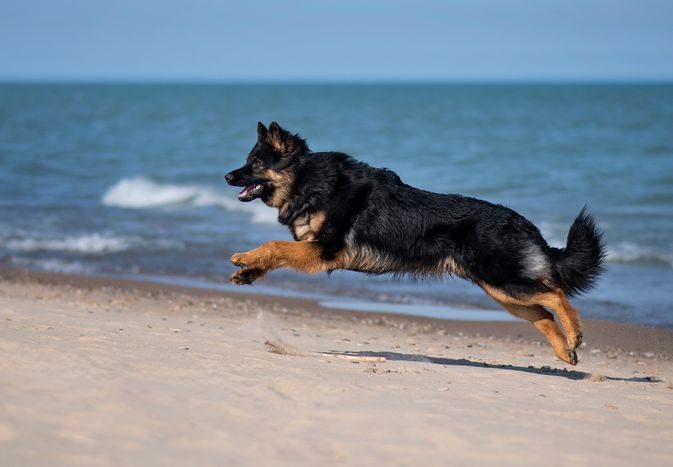
The Bohemian shepherd, also known as the Chodský Pes, is a medium dog breed originally from the Czech Republic. While similar in appearance to the Ger

If you’re on the hunt for an active, go-anywhere dog who’s also a quick study, consider one of the many types of heelers and related herding breeds. T

Although they’re often portrayed on TV and in the movies, it can be hard to fully appreciate just how brave, courageous, and heroic a search and rescu
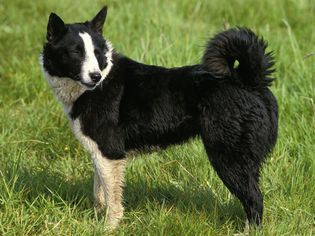
The Karelian bear dog is a medium-sized spitz dog breed popular in Finland and best known for their courageous ability to hunt large and sometimes dan

The Chinese crested is a small breed in the toy group that somewhat resembles the well-known Chihuahua, however, these native Chinese dogs have mostly
We are a comprehensive and trusted information platform dedicated to delivering high-quality content across a wide range of topics, including society, technology, business, health, culture, and entertainment.
From breaking news to in-depth reports, we adhere to the principles of accuracy and diverse perspectives, helping readers find clarity and reliability in today’s fast-paced information landscape.
Our goal is to be a dependable source of knowledge for every reader—making information not only accessible but truly trustworthy. Looking ahead, we will continue to enhance our content and services, connecting the world and delivering value.