
How to Train Your Puppy to Stop Chasing Cats
Puppies and kittens raised together often get along famously. Even dogs and cats that meet later in life can learn to live together if they are introd
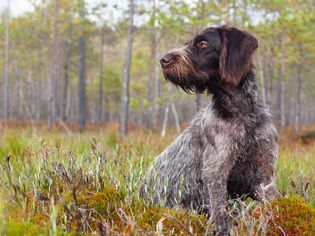
The German wirehaired pointer is a medium-large sporting dog breed from Germany with a wiry, medium-length coat that helps to differentiate it from its cousin, the German shorthaired pointer. The dog was specifically bred for this weather-resistant coat, so they could be used for hunting in harsh terrain and water. They also have webbed feet to help them in the water.
Overall, German wirehaired pointers have a muscular build with large drop ears and a medium-length beard and eyebrows. They are loyal and fun-loving, and they make great dogs for active people.
Learn all about the German wirehaired pointer, including the breed’s history, temperament, and more.
Group: Sporting
Height: At least 22 inches (females); 24 to 26 inches (males)
Weight: 50 to 70 pounds
Coat: Wiry, medium-length double coat
Coat Color: Liver or liver and white with/without ticked, spotted, or roan markings
Life Span: 14 to 16 years
Temperament: Affectionate, friendly, energetic
Hypoallergenic: No
Origin: Germany
German wirehaired pointers generally have an enthusiastic and eager-to-please personality. A high energy level also helps to shape their temperament, and they love to play.
| Affection Level | High |
| Friendliness | High |
| Kid-Friendly | Medium |
| Pet-Friendly | Medium |
| Exercise Needs | High |
| Playfulness | High |
| Energy Level | High |
| Trainability | High |
| Intelligence | High |
| Tendency to Bark | Medium |
| Amount of Shedding | Medium |
While dog breeders in Britain created hunting dogs that were specialized to work in a certain type of environment, such as either land or water, breeders in Germany wanted all-purpose dogs.
The wirehaired canine coat caught on during the early 1800s among German dog fanciers, as it protected the dogs against weather, water, and rough brush and terrain. The German wirehaired pointer broke out as a separate breed in the latter part of the 1800s.
This dog's trademark coat was achieved through crosses among the German shorthaired pointer, pudelpointer (a poodle-pointer mix), wirehaired pointing griffon, and other breeds.
The German wirehaired pointer made its way to North America in the 1920s. The American Kennel Club first recognized it in 1959.
Aim to spend a fair amount of time exercising your dog each day. Fortunately, the German wirehaired pointer's grooming needs are straightforward, and they typically take well to training.
Plan on at least two hours per day of exercise for your German wirehaired pointer. Ideal activities include:
Dog sports, such as agility and dock diving, can help to exercise this intelligent canine’s mind and body. Puzzle toys can present a mental challenge as well.
Be sure to keep your German wirehaired pointer on a leash or in a securely fenced area when outside. This breed’s high prey drive can cause the dog to run off chasing small animals and other perceived prey, and recall can be difficult to achieve.
Brush your German wirehaired pointer’s coat weekly to remove loose fur and prevent tangles. Plan on periods of higher shedding, often when the weather warms, when you’ll have to brush more frequently to keep up with the loose fur.
Bathe your dog roughly once a month, depending on how dirty they get. Check their ears at least weekly for wax buildup, dirt, and irritation. And make sure to dry their ears well after a bath or swimming.
Also, trim your dog’s nails every month on average or as needed. Aim to brush their teeth every day.
German wirehaired pointers tend to be smart and eager to please. These dogs typically respond well to positive-reinforcement training methods, such as treats and praise.
Begin training and socialization from an early age to instill good manners and prevent bad habits from forming. A puppy class is ideal to teach basic commands and behaviors.
One area of training you might have to work extra on is teaching your dog to be okay when you have to leave them alone. German wirehaired pointers prefer to be with their people as much as possible and might become destructive when left alone for long stretches.
A professional dog trainer or behaviorist can give you tips to combat separation anxiety and its symptoms such as excessive chewing. But this breed generally is best for a household where someone is home for most of the day.
German wirehaired pointers are typically healthy overall, but they are prone to some hereditary health issues, including:
Always make sure fresh water is available for your German wirehaired pointer, and feed your pointer a quality canine diet that’s nutritionally balanced. It’s typical for German wirehaired pointers to be fed two measured meals a day.
Check with your vet for the proper amount and type of food to ensure that you’re meeting your dog’s individual needs. Some dogs need special diets based on their age, activity level, and health conditions.
German wirehaired pointers are relatively common. So be sure to check local animal shelters and rescue groups for a dog in need of a home. If you’re looking for a puppy from a reputable breeder, expect to pay around $800 to $2,000.
For more information to help you find a German wirehaired pointer, check out:
The German wirehaired pointer is a loyal, affectionate, and intelligent dog breed that is a good option for active families. These dogs have a high prey drive, so that’s something to keep in mind if you have other pets or are planning on getting other pets.
Do thorough research before bringing home a German wirehaired pointer to ensure that the breed is right for your lifestyle. Talk to breed owners, rescue groups, reputable breeders, and veterinary professionals. And spend some time around German wirehaired pointers, too, if possible.
If you’re interested in similar breeds, check out:
There’s a whole world of potential dog breeds out there—with a little research, you can find the right one to bring home!
German wirehaired and shorthaired pointers are related and look quite similar. However, the wirehaired version has a longer, more wiry coat, and tends to be slightly taller and heavier than the shorthaired version.
German wirehaired pointers tend to be moderately good with kids. With proper training and socialization, they can be a good fit for a family with respectful older children. But they might be too exuberant around young kids.
Well-trained and socialized German wirehaired pointers tend to be open to meeting strangers and don’t typically display aggression. However, some might view smaller household pets as prey.

Puppies and kittens raised together often get along famously. Even dogs and cats that meet later in life can learn to live together if they are introd

Most of us humans enjoy the occasional massage, but why is it that so many dogs enjoy, initiate, and even seem to expect pets on a regular basis? The

Cauliflower is a cruciferous veggie full of fiber that is safe for dogs to eat in moderation. Adding veggies to your dog’s routine can be a great way

Heartworm disease is a life-threatening parasitic infection that affects the hearts and lungs of dogs. Because heartworms are spread solely by the mos

Puppy vaginitis, also called juvenile vaginitis, is the inflammation of the vagina in a puppy that has not reached puberty (had their first heat

There are many different Yorkie mixes out there. Some have been purposely bred, and others have happened when two dogs accidentally mate. Yorkies are

The Queen of England. Betty White. The entire Internet as we know it. It's no secret: There are a lot of Pembroke Welsh Corgi lovers out there! And fo
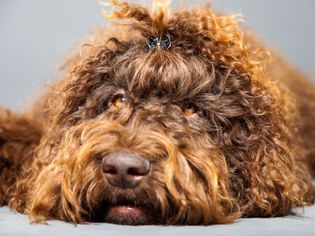
The barbet (pronounced bar-bay) is a medium-sized birding dog that's probably best known for its distinctive, curly coat and beard at the muzzle. A qu
We are a comprehensive and trusted information platform dedicated to delivering high-quality content across a wide range of topics, including society, technology, business, health, culture, and entertainment.
From breaking news to in-depth reports, we adhere to the principles of accuracy and diverse perspectives, helping readers find clarity and reliability in today’s fast-paced information landscape.
Our goal is to be a dependable source of knowledge for every reader—making information not only accessible but truly trustworthy. Looking ahead, we will continue to enhance our content and services, connecting the world and delivering value.