
How to Potty Train Your Dog to Go in One Spot
Dogs can make a mess of your yard when they relieve themselves anywhere they want. That's why it's important to train your dog to poop and pee in one
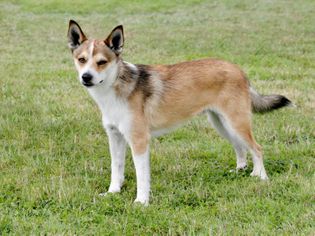
The Norwegian lundehund is a small-medium non-sporting dog breed from Norway with a short but dense double coat that’s slightly thicker around the neck and thighs. This rare dog breed has some interesting physical attributes. It features at least six toes per foot, as well as elongated paw pads. Its neck can bend all the way back, so its head touches its spine. Its triangular ears can fold shut to block debris. And its shoulders are flexible enough to allow the legs to stretch out perpendicularly to each side of the body. All of these traits helped the dog do what it was bred for: hunting puffins on rocky cliffs.
These dogs are typically energetic, happy, and loyal, but they aren't ideal for the novice dog owner. They can be independent, stubborn, and wary of strangers.
Group: Non-Sporting
Height: 12 to 14 inches (female), 13 to 15 inches (male)
Weight: 20 to 30 pounds
Coat: Short double coat
Coat Color: Black, gray, reddish brown, sable and white, white, or yellow with/without white, gray, and/or black markings and/or black tips
Life Span: 12 to 15 years
Temperament: Active, companionable, alert
Hypoallergenic: No
Origin: Norway
The Norwegian lundehund generally has an alert but friendly temperament. It typically doesn’t have an overly affectionate personality. But it does enjoy being active with its owner.
| Affection Level | Medium |
| Friendliness | Medium |
| Kid-Friendly | Medium |
| Pet-Friendly | Medium |
| Exercise Needs | Medium |
| Playfulness | Medium |
| Energy Level | Medium |
| Trainability | Medium |
| Intelligence | Medium |
| Tendency to Bark | Medium |
| Amount of Shedding | Medium |
The Norwegian lundehund’s exact origin is unclear. The breed has been found in Lofoten, an archipelago of Norway, for centuries. These dogs were very important to the residents and local economy, as they could scale the rocky cliffs to catch puffins that were nesting there. (Lunde means puffin in Norwegian, and hund means dog.)
Households kept multiple lundehunds for hunting purposes. But when bird nets began to replace them, the breed’s numbers declined. Then, around World War II, the canine distemper virus almost caused the breed to go extinct. But people managed to gather the few lundehunds left to preserve the breed.
The Norwegian lundehund is still rare today. It entered the American Kennel Club’s foundation stock service, which helps to preserve breed standards, in 1996. The AKC recognized it as an official breed in 2011.
Norwegian lundehunds are athletes, but they don't require an excessive amount of daily exercise. Their grooming is also relatively low-maintenance. It's essential, however, that owners put some effort into training and socialization, so they develop into well-mannered dogs.
Plan to give your dog at least one to two hours per day of exercise via walks, jogging, hiking, vigorous play, and more. Puzzle toys can help to provide mental challenges. This breed’s athleticism can make it a good candidate for dog sports, including agility. If a lundehund doesn't get enough exercise and mental stimulation each day, it might engage in problem behaviors, such as unwanted chewing.
Moreover, keep your lundehund on a leash or in a securely fenced area when outdoors. Otherwise, its prey drive might cause it to run off chasing perceived prey, and recall might be difficult.
Brush your dog's coat weekly to remove loose fur and prevent matting. Expect periods of higher shedding often in the spring and fall, as the dog loses its undercoat. Brush more frequently, even up to daily, during these times to keep up with all the loose fur.
Plan on a bath roughly once a month, depending on how dirty your dog gets. The lundehund’s coat typically stays relatively clean. Be sure to check its ears at least weekly for any debris, wax buildup, and irritation. And see whether it’s due for a nail trim every month or so. Plus, aim to brush its teeth daily.
Begin training and socializing your Norwegian lundehund ideally from a young age to make sure it’s a well-adjusted dog. This breed typically does well with positive-reinforcement training methods, such as treats and praise. However, it can be especially sensitive to harsh corrections, shutting down and refusing to learn. In addition, lundehunds tend to be very smart problem-solvers, but they can have an independent and stubborn streak. So it’s important to keep training sessions fun and varied to hold their interest.
Furthermore, aim to expose your lundehund to other people and dogs from an early age. This breed can be wary of strangers. But having lots of positive experiences should help to boost its comfort and confidence.
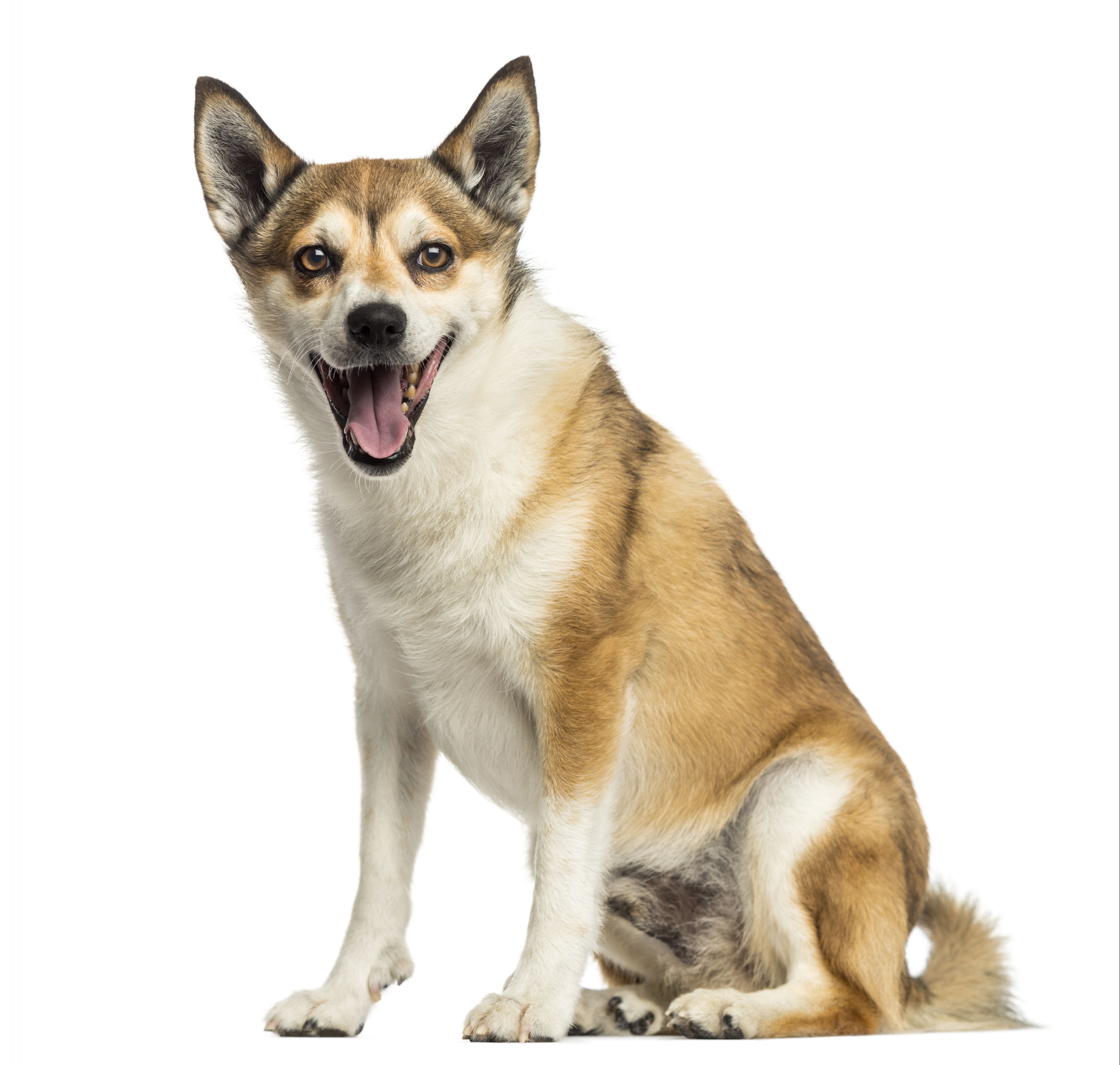
The Norwegian lundehund is a generally healthy breed, but it is prone to some hereditary health issues, including:
Always have fresh water accessible for your dog. Feed it a quality canine diet with balanced nutrition, typically via two measured meals per day. Because this breed can have a sensitive stomach, you might have to provide a special diet. But you should always consult a vet about any diet changes.
The Norwegian lundehund is a rare breed, so it’s not typical that you would find one available for adoption. But it’s still worth checking animal shelters and rescue groups near you and seeing whether you can get your name on a breed wait list. Likewise, breeders might be difficult to come by, depending on where you live. If you’re looking for a puppy from a responsible breeder, expect to pay around $2,000 to $3,000 on average.
For further information to help you find a Norwegian lundehund, check out:
Unique physical features
Suited to an owner with an active lifestyle
Basic grooming needs
Prone to stomach problems
Rare and difficult to come by
Can be standoffish around strangers
As with any dog breed, do thorough research before bringing home a Norwegian lundehund to make sure the breed is right for your lifestyle. Talk to Norwegian lundehund owners, rescue groups, reputable breeders, and veterinary professionals.
If you’re interested in similar breeds, check out:
There’s a whole world of potential dog breeds out there—with a little research, you can find the right one to bring home!
The Norwegian lundehund is a rare dog breed around the world. It almost went extinct around the time of World War II, and breeders are still working on rebounding from that.
In general, well-trained and socialized Norwegian lundehunds are moderately good around kids. They can do well in a household with respectful older children, but they might not be gentle or calm enough for young children.
Norwegian lundehunds can be standoffish around strangers, and they might bark at perceived dangers. But as long as they've had proper training and socialization, this typically does not turn into aggression.
Dogs can make a mess of your yard when they relieve themselves anywhere they want. That's why it's important to train your dog to poop and pee in one

Do you sometimes sprinkle grated Parmesan cheese on your dog's food to entice them to eat? Maybe you've stopped and wondered if your dog shoul

It’s all-too-tempting to recreate that Lady and the Tramp scene with your pup, sharing a plate of pasta and almost smooching their adorable nose. It u

Shrimp is a popular seafood item. Whether it’s grilled, fried, or shrimp cocktail, the average American eats about 4 pounds of shrimp each year. It’s
Blindness occurs in many species including dogs. Some dogs are born blind while others develop blindness. But regardless of how a dog may become blind
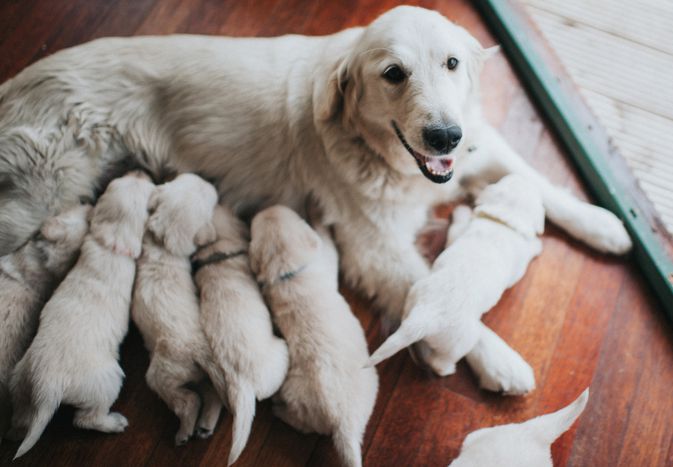
If your dog is close to giving birth for the first time, it's important to prepare yourself to help with the delivery. The good news is that most
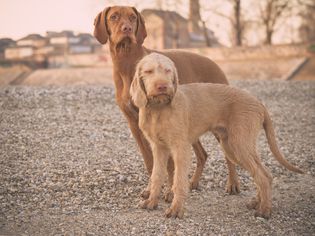
The wirehaired vizsla is a medium-size sporting dog breed from Hungary that has a short, wiry coat with a longer beard and eyebrows. It is a close rel
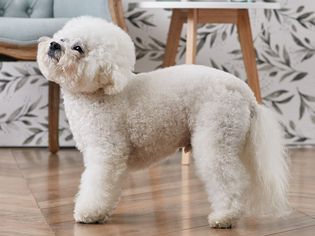
The bichon frise is a small non-sporting dog breed with long, curly white hair that makes their dark eyes and nose pop. Many say bichons are fluffy li
We are a comprehensive and trusted information platform dedicated to delivering high-quality content across a wide range of topics, including society, technology, business, health, culture, and entertainment.
From breaking news to in-depth reports, we adhere to the principles of accuracy and diverse perspectives, helping readers find clarity and reliability in today’s fast-paced information landscape.
Our goal is to be a dependable source of knowledge for every reader—making information not only accessible but truly trustworthy. Looking ahead, we will continue to enhance our content and services, connecting the world and delivering value.