
Why Puppies Eat Poop and How to Stop It
Why do puppies eat poop? While puppies tend to eat many strange things, poop-eating is one of the most repulsive. Some puppies don't discriminate when
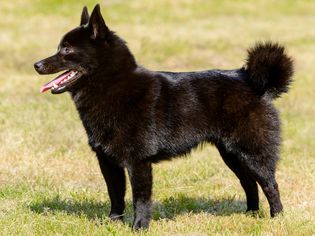
The schipperke (pronounced SHEEP-er-ker or SKIP-er-kee) is a small dog breed developed in Belgium to be a barge watchdog. This dog is known for adorable bright eyes, foxy-looking face with alert pricked ears, and square body. These mischievous little rascals are extra busy, always wanting to be part of the action. Schipperkes are full of energy and are lots of fun to be around.
Learn more about the schipperke, including their temperament, care needs, and history.
GROUP: Non-Sporting
HEIGHT: 10 to 13 inches
WEIGHT: 10 to 16 pounds
COAT: Abundant, straight, and slightly harsh to the touch
COAT COLOR: Solid black coat; shades of cream, ivory, wheaten, gold, red, white, blue, and chocolate do occur rarely
LIFE SPAN: 12 to 14 years
TEMPERAMENT: Curious, faithful, playful, fearless, agile, independent, confident
HYPOALLERGENIC: No
ORIGIN: Belgium
Schipperkes might get along with other family pets if raised with them, but some might not want to be friends with strange pets. Schipperkes are born to chase, so they are not safe around small pets like hamsters, rabbits, and birds, and some might bother the family cat. Excellent watchdogs, schipperkes are naturally suspicious of strangers and protective of their home territory.
Though it was once known as a "tailless" breed, it's simply not true. Schipperkes have spitz-like tails—a beautiful full display that's turned up and curled over their backs. The tails of these dogs are docked right after birth. But the traditional and now very controversial practice of docking is illegal in many countries. Though opposed by animal advocates, docking is still done in the United States.
| Affection Level | Medium |
| Friendliness | Medium |
| Kid-Friendly | Medium |
| Pet-Friendly | Medium |
| Exercise Needs | Medium |
| Playfulness | High |
| Energy Level | High |
| Trainability | Medium |
| Intelligence | High |
| Tendency to Bark | High |
| Amount of Shedding | Medium |
The feisty and fun schipperke has been known to Belgium since medieval times. Though the schipperke is sometimes described as a spitz because of their appearance, they are actually the descendant of the now-extinct black sheepdog, called the Leauvenaar (from which the Belgian sheepdog also descends).
The quintessential boat dog, schipperkes worked on and around ships and barges, keeping the rat populations down and acting as watchdogs. In fact, their name, “schipperke,” means “little captain” in Flemish. Today, schipperkes are still known for their love of boats and water. Although the proper pronunciation of the breed’s name is “SHEEP-er-ker,” you might more commonly hear it pronounced “SKIP-er-kee,” especially in the United States.
The schipperke is one of the smallest members of the American Kennel Club Non-Sporting Group, a catchall group for many diverse breeds that don’t quite fit into the other six groups (Herding, Hound, Sporting, Terrier, Toy, and Working).
Schipperkes first came to the U.S. in the late 1800s. The national club representing the breed in the United States, the Schipperke Club of America, was founded in 1929.
Schipperkes need daily mental and physical stimulation since they have a lot of energy. Without an outlet for that energy, they may engage in destructive behaviors like barking, chewing, and digging.
The curious, adventurous schipperke is a known escape artist, and should never be trusted off leash. A fenced yard is a must, and fences should be well-kept with no small holes to escape through.
Schipperkes have a lot of energy and are very playful. Luckily, the breed is small, so it’s not difficult to provide enough exercise to keep a schipperke happy. Two brisk walks a day totaling 30 minutes will typically suffice, although your schipperke might be up for more adventure.
A schipperke loves to swim since they were bred to be around water. Games of fetch in the yard or even in the house are also a great way to entertain and exercise the fun-loving schipperke. This breed also loves to play with toys. Small stuffed toys will likely lose their squeakers quickly, but the schipperke will have so much fun dispatching the “vermin.”
The schipperke’s glossy black coat is easy to care for, requiring only weekly brushing to remove loose hair. The coat does not mat, but the schipperke does shed a fair amount. You might notice heavier shedding seasonally. During these times, brushing more frequently will help cut down on the amount of hair you find in the house and on your clothes.
The breed's coat is shorter on the face and front of the legs, medium length on the body, and longer around the neck and back of the legs. The schipperke coat requires no trimming; just bathe with gentle moisturizing pet shampoo, then towel dry or blow dry the coat, and your schipperke will shine.
Brush your schipperke’s teeth daily with a soft toothbrush and pet-safe toothpaste. Never use human toothpaste for a dog. Pet toothpaste is designed to be swallowed and comes in dog-approved flavors like poultry and beef.
Trim your schipperke’s nails every few weeks and look inside their ears, cleaning the ears as needed with a pet-safe ear cleaner and cotton balls or gauze squares.
Schipperkes are smart, but they are also independent, and can be challenging to train. Keep training fun and positive, using lots of tasty treats. With the right motivation, schipperkes can learn not only basic obedience commands but also fun tricks, too.
Like all puppies, schipperkes benefit from early and frequent training and socialization. Because they are prone to aggression, socializing puppies is very important. Puppy kindergarten and basic obedience group classes will provide your schipperke with socialization opportunities while teaching you the basics of dog training.
Schipperkes are generally quite healthy. Responsible breeders test their adult schipperkes for genetic conditions before breeding them to avoid passing on these problems. When buying a schipperke puppy from a breeder, ask to see proof that the appropriate tests were performed on the puppy’s parents.
Of course, like most purebred dogs, certain hereditary health conditions are known to occur in the breed, including:
Feed your adult schipperke measured meals twice a day (puppies should eat three or four small meals per day). Always use a measuring cup or scale to ensure you are feeding the correct amounts. Not measuring meals or leaving food out all day (free-feeding) can cause weight gain, which can contribute to health problems like diabetes.
Because schipperkes are small, they might benefit from eating a small breed diet formulated to meet the unique caloric needs of smaller breeds. Talk to your veterinarian or breeder if you’re not sure what kind of food to feed or how much to feed your schipperke.
Check your local animal shelter and rescue groups for schipperkes in need of homes. Always do your due diligence and research to find the very best quality breeder if you go that route. If you choose to work with a breeder, expect to pay between $1,000 and $2,500 or more for a schipperke puppy.
Several organizations can help you locate a rescue or reputable breeder, including:
Schipperkes are active and energetic dogs that can exhibit destructive behaviors if they aren’t given enough attention. They also need proper training and socialization. But these little dogs aren’t high-maintenance when it comes to grooming and exercise.
The schipperke is an engaging and loyal companion. If you like the schipperke, you might also like these breeds:
There’s a whole world of potential dog breeds out there—with a little research, you can find the right one to bring home!
Due to their small size, schipperkes do great in small spaces like apartments or condos. Unfortunately, they tend to bark at every little sound, so excessive barking can be an issue, especially in an apartment.
Yes, schipperkes are known for barking a lot, and can make good watchdogs because of this. Training them to not bark excessively can be helpful.
Schipperkes can be protective of those they care about, and can exhibit aggression towards strangers, other dogs, and other animals that they view as prey.
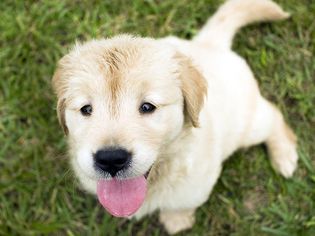
Why do puppies eat poop? While puppies tend to eat many strange things, poop-eating is one of the most repulsive. Some puppies don't discriminate when
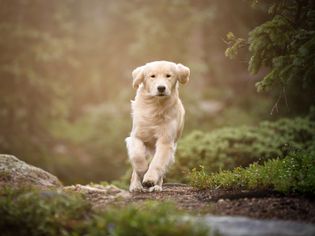
While rare, tick paralysis can cause extreme harm to your dog. The saliva of a paralysis-causing tick species contains a neurotoxin&nbs
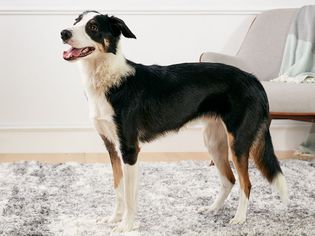
The border collie is a medium-sized dog that is very athletic, highly intelligent, and has loads of energy. They are known for their alert expres
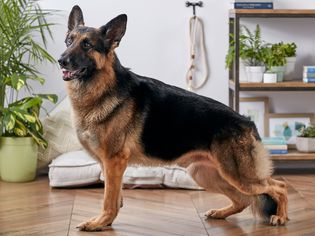
German shepherd dogs are one of the most popular breeds in the world, treasured for their intelligence, loyalty, and athleticism. They're large br
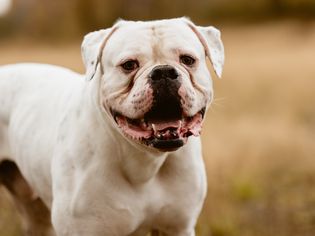
The American bulldog is a large non-sporting breed from the United States with a sturdy body, broad head, muscular shoulders, and a longer face than o
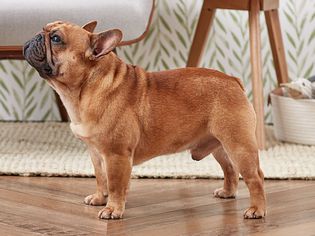
The French bulldog is a small, muscular dog with their trademark bat-like ears. Along with their adorable looks, Frenchies are lively, lovable, and pl
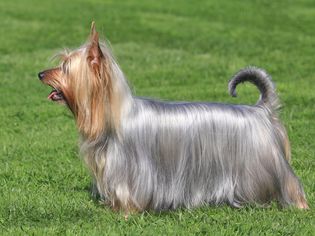
The silky terrier is a small toy dog breed from Australia with a long, shiny coat from which the breed gets its name. The breed's silky hair is parted
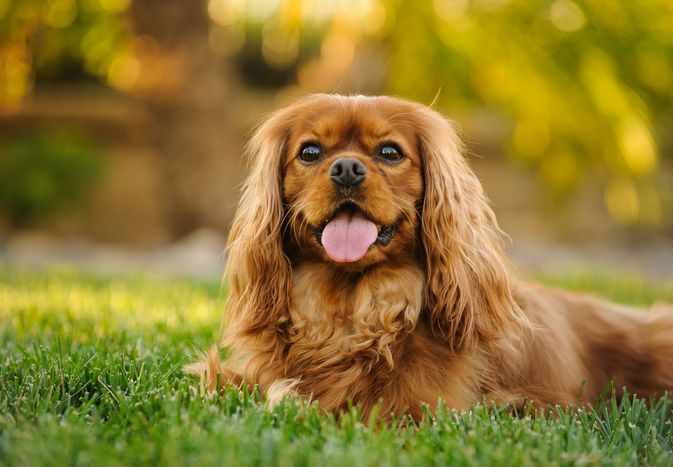
Historically, spaniel breeds were bred to be compact, athletic, and enthusiastic hunting companions. They are often characterized by breed features li
We are a comprehensive and trusted information platform dedicated to delivering high-quality content across a wide range of topics, including society, technology, business, health, culture, and entertainment.
From breaking news to in-depth reports, we adhere to the principles of accuracy and diverse perspectives, helping readers find clarity and reliability in today’s fast-paced information landscape.
Our goal is to be a dependable source of knowledge for every reader—making information not only accessible but truly trustworthy. Looking ahead, we will continue to enhance our content and services, connecting the world and delivering value.