
Training Deaf Puppies and Dogs
Normal puppies hear much better than we do, but some are born deaf or are genetically predisposed to deafness. Dalmatians and Jack Russell Terriers ma
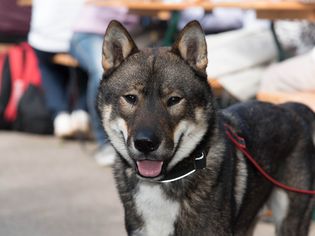
Shikoku (sometimes called Kochi-Ken) are medium-sized spitz dogs from Japan with thick fur, pointed ears, and short, upward-curling tails. These dogs were bred to hunt wild boars and prized as devoted companions. The Shikoku is rare, even in its home country, but more so in North America.
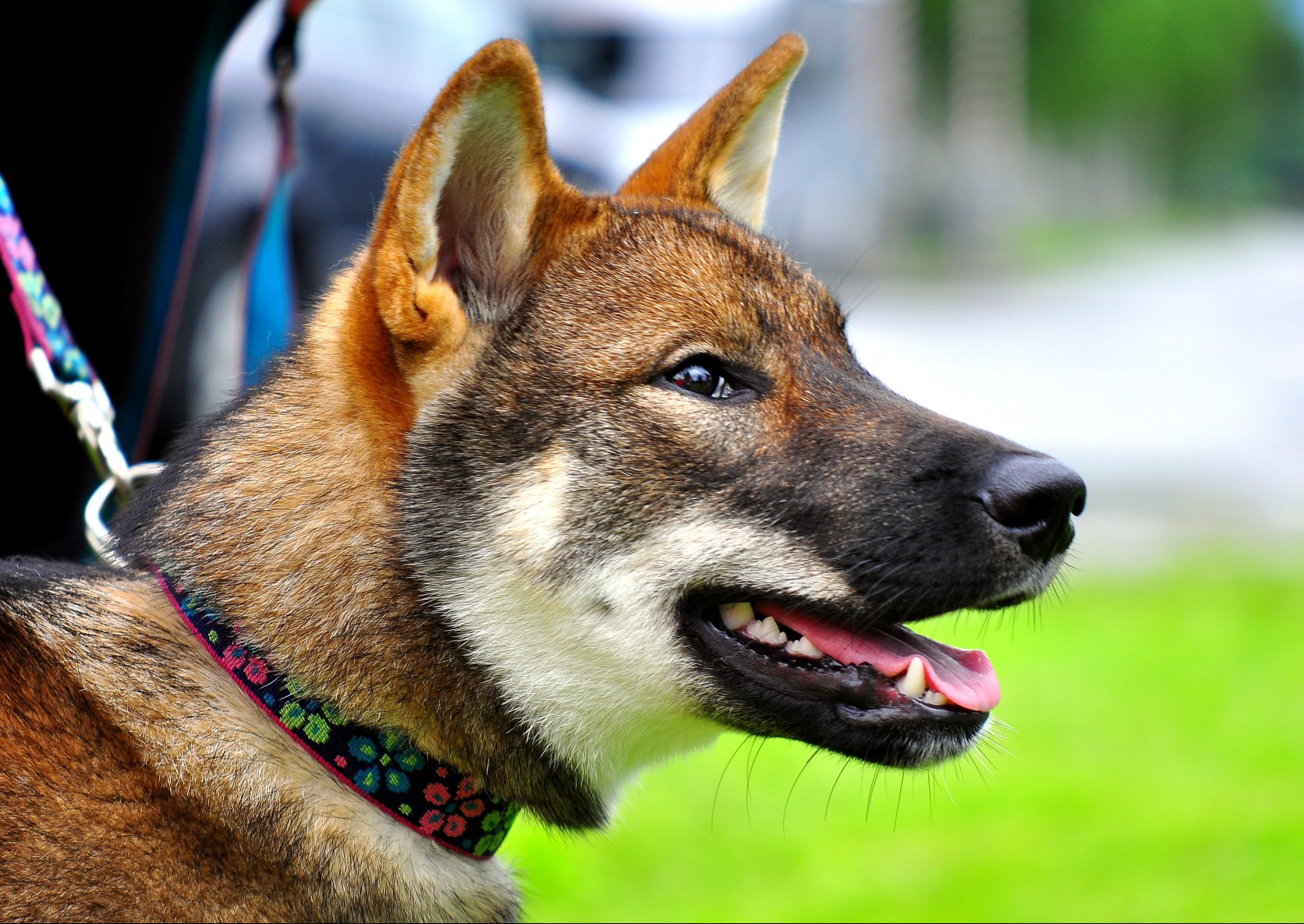
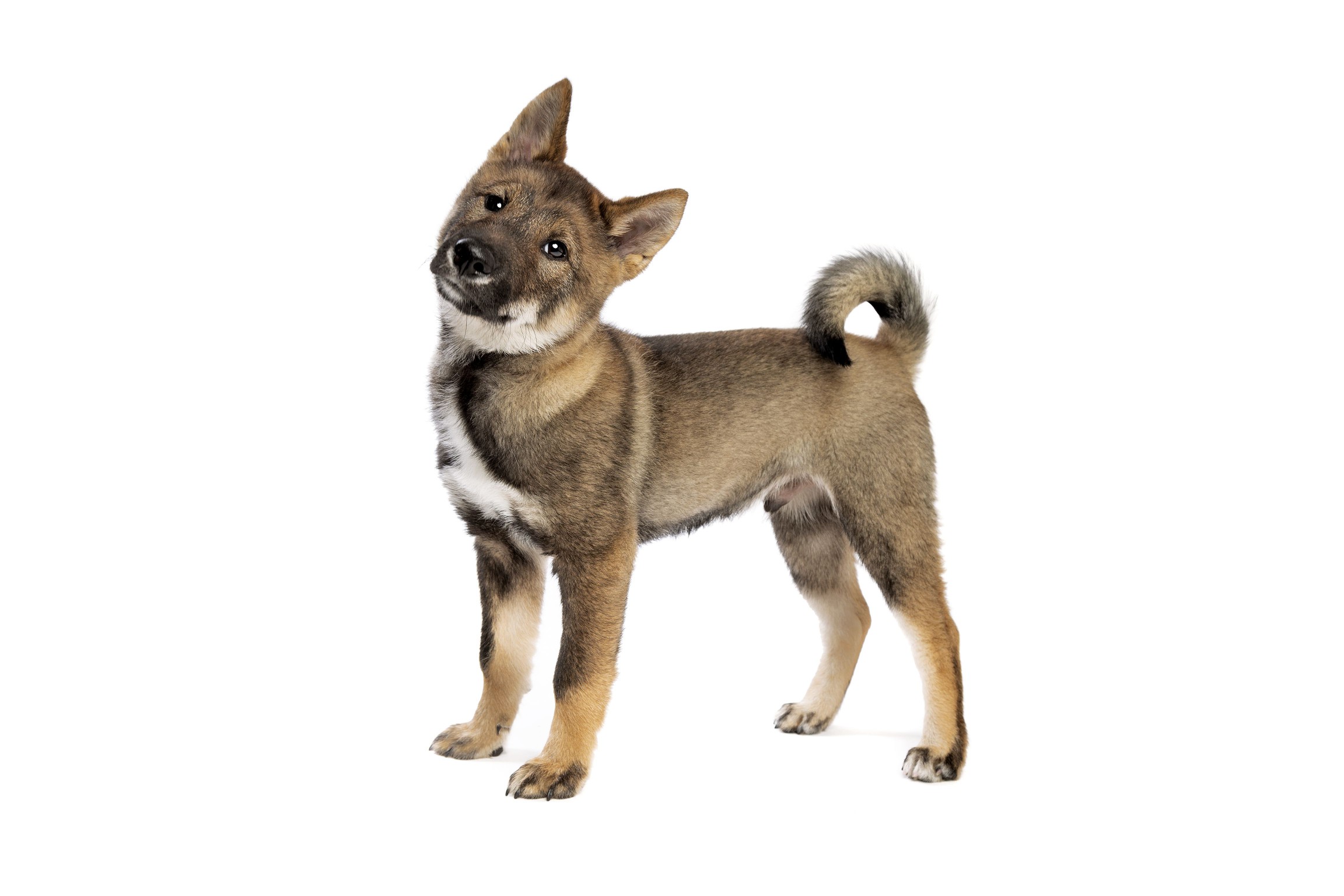
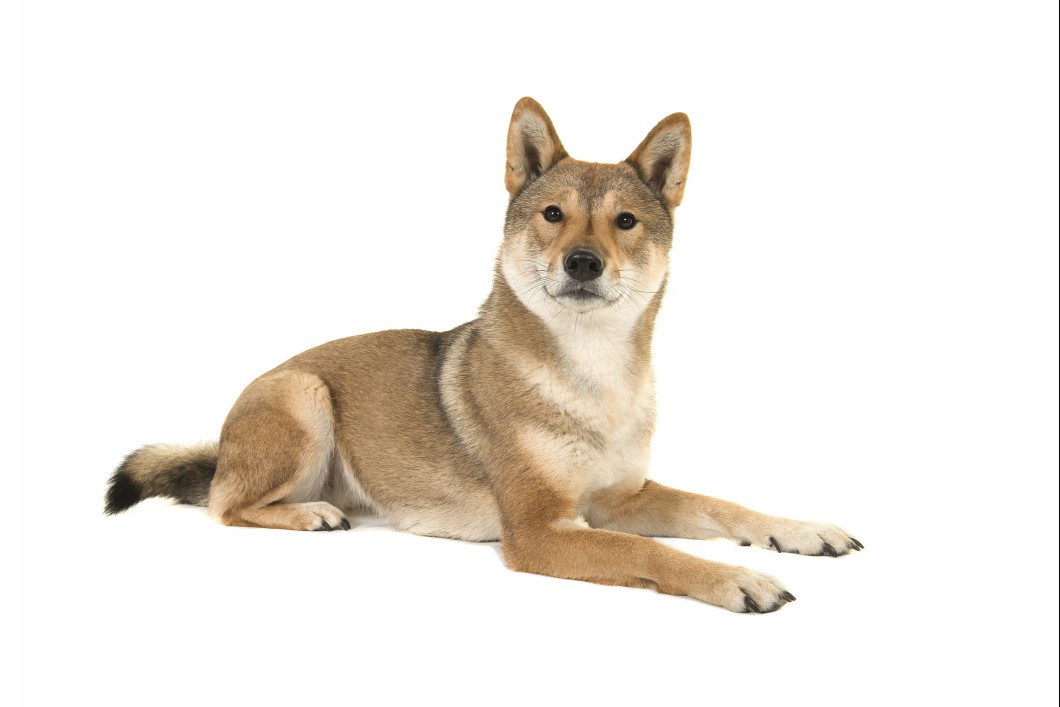
All Shikoku should have distinctive markings. Called urajiro, these white or light-colored patches appear on the sides of the muzzle, cheeks, brow of the eye, under the jaw and neck, on the chest and belly, the underside of the tail, and on the insides of the legs. Although it resembles a larger version of the more common Shiba Inu, the Shikoku is generally calmer, less stubborn, more obedient, and more submissive than the Shiba. This breed is best for experienced owners, as Shikoku dogs require consistent training and have protective tendencies.
Group: Spitz and primitive type (FCI)
Height: 17 to 22 inches tall
Weight: 35 to 55 pounds
Coat: Harsh, straight outer coat combined with a soft, dense undercoat
Coat Color: Sesame, red sesame, and black sesame
Life Span: 13 to 15 years
Temperament: Intelligent, courageous, protective, calm, athletic, loyal
Hypoallergenic: No
Origin: Japan
The ancient Shikoku is what is known as a primitive breed, which means they retain more wild characteristics than other domesticated dogs that have grown accustomed to living with humans over the centuries. Because of their nature, your Shikoku's temperament around others will vary considerably depending on socialization in puppyhood. They are calm, reserved, and loyal to their owners, but typically are not suitable for homes with other pets or young children.
| Affection Level | Medium |
| Friendliness | Medium |
| Kid-Friendly | Medium |
| Pet-Friendly | Low |
| Exercise Needs | Medium |
| Playfulness | Medium |
| Energy Level | Medium |
| Trainability | Medium |
| Intelligence | High |
| Tendency to Bark | Low |
| Amount of Shedding | Medium |
The Shikoku was developed in the mountainous regions on the island of Shikoku in Japan. Though bred loosely, three breed varieties appeared on different parts of the island. These varieties took names from where they were bred: Awa, Hongawa, and Hata. It is said that the Hongawa variety was considered the purest and most desirable due to the difficulty in accessing the Hongawa region. Today, the Shikoku is a single breed with no varieties. Japan designated the breed a natural monument in 1937.
The Shikoku is not recognized by the American Kennel Club, but the breed is part of the AKC’s Foundation Stock Service, which is a stepping stone toward eventual full registration. In North America, the Shikoku is recognized by the Canadian Kennel Club and the United Kennel Club. Internationally, the breed is recognized by the Japan Kennel Club and by the Fédération Cynologique Internationale (FCI), the world's largest international federation of clubs.
Terje Håheim/Getty Images
Shikoku dogs require substantial exercise, grooming, and training, and they should be raised by experienced owners. It's important that those adopting this breed are ready and able to dedicate plenty of time to their care.
The Shikoku is a hunting dog with lots of energy to burn. Owners must commit to providing abundant daily exercise and mental stimulation; this breed is especially well-suited to sole owners who spend much of their time outdoors. Try long walks, hiking and exploring, and tossing a toy or ball, but always keep your Shikoku on a leash or in a safely enclosed place like your backyard. Bred to hunt for centuries, the Shikoku simply cannot be trusted off-leash as it may go after dogs, cats, squirrels, or other animals, paying no heed to its owner's pleas to stop.
The Shikoku’s short double coat is wash and wear, meaning it requires no trimming. The outercoat is coarse and the undercoat is soft and dense, providing warmth in winter. Every year in the spring, the Shikoku "blows coat," a term used to describe the seasonal shedding of the undercoat. During this time, the Shikoku sheds heavily. Daily brushing and combing with a de-shedding tool can hasten the process. Outside of this time, the Shikoku’s coat sheds moderately and needs only routine brushing a few times a week. The coat is naturally clean and has no doggie odor. Trim your dog's nails every two weeks and check the ears periodically to ensure they don’t look red or inflamed. If the ears are dirty, clean them using a pet-safe ear cleaner with cotton balls or gauze squares.
Although the Shikoku is intelligent and fairly obedient toward its owner, the breed is still primitive. It is somewhat willful and independent, so training can be a challenge. Train daily using positive techniques and rewards, and always be a fair and consistent leader.
The Shikoku has a high prey drive (the instinct to chase and kill small animals) and can be territorial or aggressive toward dogs and other animals. However, if raised together, the Shikoku may be able to live peacefully with another family pet. These dogs are reserved and aloof with strangers, so early, frequent socialization in puppyhood is vital to curb overprotectiveness.
Eriklam/Getty Images
MirasWonderland/Getty Images
The Shikoku is considered a healthy breed. However, like all purebred dogs, this breed can develop certain genetically linked health conditions. Responsible breeders test their adult Shikoku prior to breeding them to ensure they don’t pass on undesirable medical problems. The following are possible conditions your dog may experience:
Like all dog breeds, Shikoku should eat high-quality dog food in appropriate amounts so as to avoid becoming overweight or obese. Too much weight can contribute to the development of joint disorders like hip dysplasia, knee dysplasia, and arthritis. Obesity can also lead to other serious health problems such as diabetes. Consult your veterinarian about your dog's specific needs to determine a healthy diet and portion schedule.
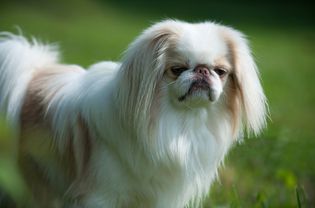
The Shikoku is extremely rare outside of Japan. It may be exceedingly difficult to find a breeder, especially in North America. These dogs are also uncommon in shelters. While this breed is not registered in the U.S., the American Kennel Club maintains a list of breeders for all dogs (including those like the Shikoku that are not yet fully recognized but are part of the AKC’s Foundation Stock Service).
Beautiful, low-maintenance coat
Active and energetic companion
Docile and obedient with its owner
High prey drive, not safe off leash
Territorial and may be aggressive with animals
Requires abundant exercise, socialization, and training
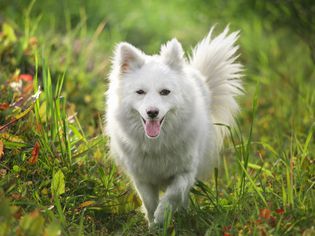
If you like the Shikoku, you might also like these breeds:
Otherwise, check out other dog breeds to help you find the perfect option for you and your family. With a little research, you can find your next best friend!
Shikoku can be great dogs for experienced, adult-only owners, but they are not suitable for homes with young children or other pets in most cases. This breed has protective tendencies and may become aggressive if not provided with consistent, knowledgeable training.
Shikoku are not hypoallergenic dogs. They have thick coats consisting of two layers with medium shedding throughout most of the year, along with a shedding season in which they drop undercoat fur at much higher rates.
Shikoku dogs are already rare in their home country of Japan, but they are especially rare in North America. If you are interested in adopting a Shikoku, it may require traveling to reach a responsible breeder in the U.S.
Shikoku dogs are an intelligent breed that typically remains calm and well-mannered at home, and they respond well to positive reinforcement-based dog training. However, they are considered primitive and maintain the high prey drive that they were bred for in ancient times. Shikoku can become aggressive with other animals, small children, and strangers.
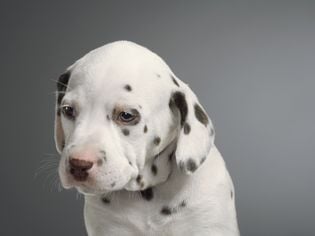
Normal puppies hear much better than we do, but some are born deaf or are genetically predisposed to deafness. Dalmatians and Jack Russell Terriers ma

Dogs and cats are curious by nature, particularly when it comes to food. They're also very good at begging for a taste of whatever we may be eating or
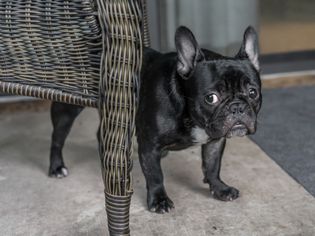
Many dogs tremble or shake, even when it’s not cold outside. This is especially common in small dogs like Chihuahuas. Dog shaking can be just a normal
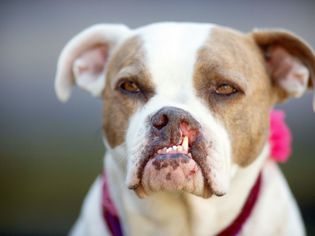
A cleft palate may not be immediately noticeable in a puppy, but it's a serious birth defect that needs special attention. This physical deformity
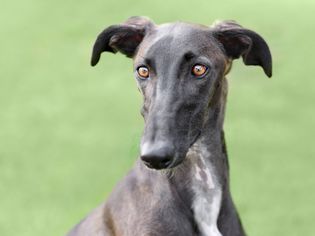
The Spanish Galgo is a medium-size hound dog breed from Spain with a short, smooth or rough coat and a narrow, lanky build. Also known as the Spanish
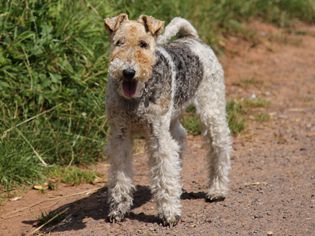
A mainstay of traditional British fox hunts, fox terriers are small-to-medium dogs from England with long faces, short legs, and either wiry or s
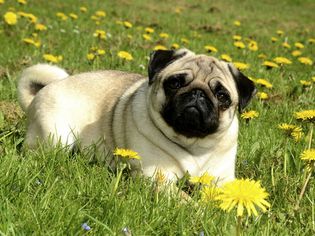
Companion dogs take the whole "man's best friend" notion to a whole new level. These dogs are generally happiest when they’re with their h
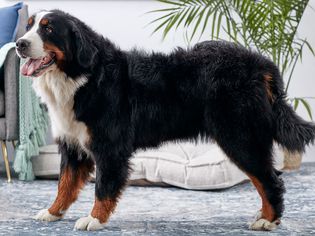
The Bernese mountain dog, affectionately called “Berner,” is a large working dog breed from Switzerland who makes a loyal, loving companion for adults
We are a comprehensive and trusted information platform dedicated to delivering high-quality content across a wide range of topics, including society, technology, business, health, culture, and entertainment.
From breaking news to in-depth reports, we adhere to the principles of accuracy and diverse perspectives, helping readers find clarity and reliability in today’s fast-paced information landscape.
Our goal is to be a dependable source of knowledge for every reader—making information not only accessible but truly trustworthy. Looking ahead, we will continue to enhance our content and services, connecting the world and delivering value.