
Why Do Dogs Howl at Sirens?
It's no secret: Some dogs love to howl at sirens. Why do some dogs feel compelled to vocalize when an ambulance drives by wailing their sirens? Wh
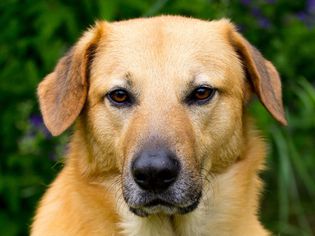
The Chinook dog is a large working breed from the United States with an athletic build, long legs, floppy or upright ears, and a medium-length coat. This dog may resemble a mutt at first glance, but is actually a purebred native to New Hampshire.
These unique dogs are typically friendly with anyone they meet. Along with a calm disposition, this breed is hardworking and trainable. If you’re looking for an affectionate large breed, you’ll love Chinooks. Their loyalty, natural athleticism, and intelligence make them wonderful companions for a variety of people.
Learn all about the Chinook dog, including their history, care needs, and temperament.
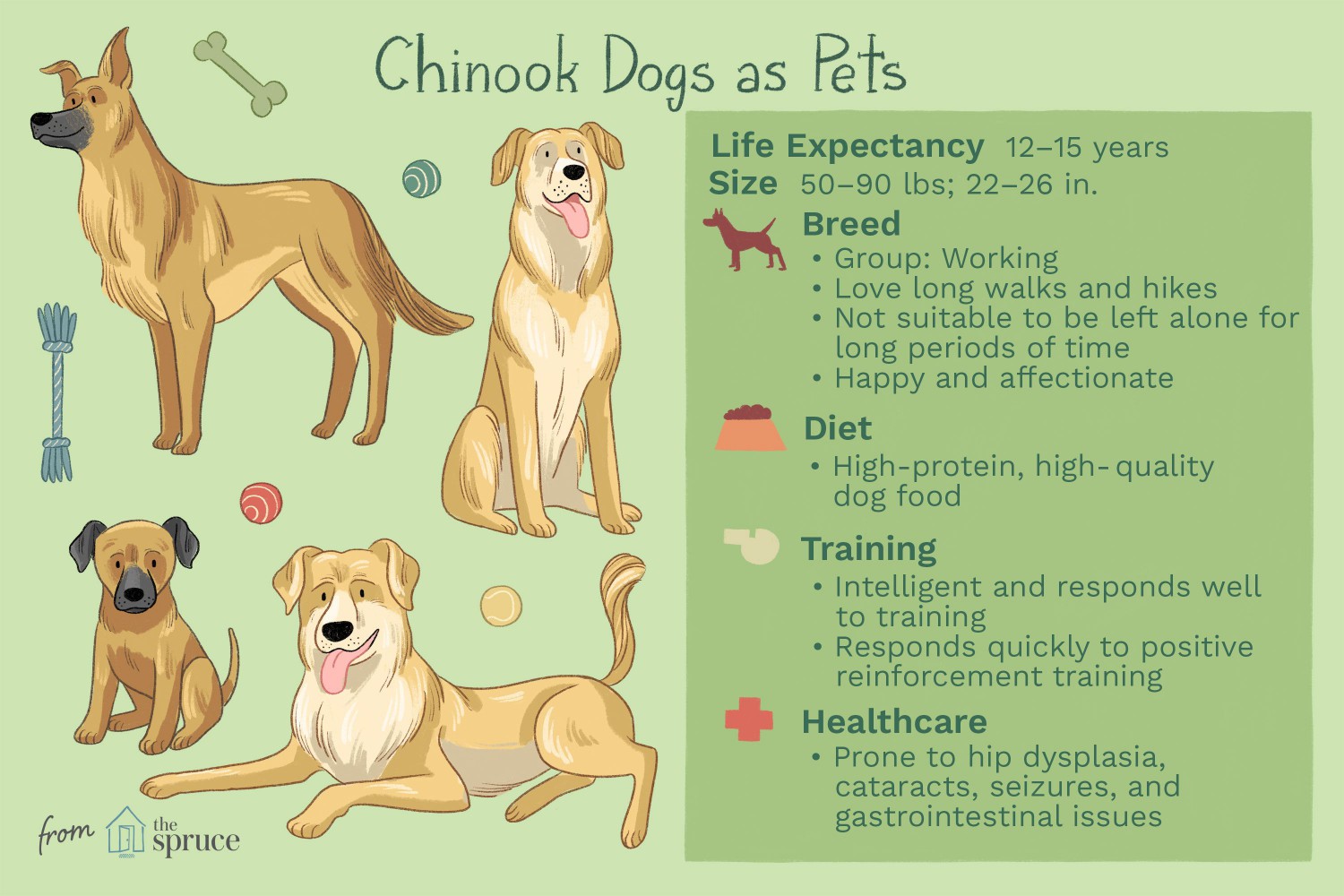
Group: Working
Height: 24 to 26 inches (males); 22 to 24 inches (females)
Weight: 55 to 90 pounds (males); 50 to 65 pounds (females)
Coat: Smooth, medium-length fur
Coat Color: Fawn, red-gold, silver fawn, tawny, palomino, or gray-red; often with dark markings on eyes and muzzle
Life Span: 12 to 15 years
Temperament: Friendly, intelligent, loyal, calm, alert
Hypoallergenic: No
Origin: United States
Chinook dogs are as sharp as a tack, and they love opportunities for training and learning new skills. They’ll gladly accompany you on a long walk or hike, and they’ll be even happier to snooze on the couch afterward.
Since Chinooks have a playful temperament, they're a great choice for families (though as a large breed, their interactions with young children should be supervised).
These dogs undoubtedly love their packs. Chinooks are not suitable for homes where they are alone for long periods of time, as they're happiest when getting plenty of attention from their humans. Great with kids, other pets, and strangers, they have laid-back and sensible personalities that work well in social households.
| Affection Level | High |
| Friendliness | High |
| Kid-Friendly | High |
| Pet-Friendly | High |
| Exercise Needs | Medium |
| Playfulness | High |
| Energy Level | Medium |
| Trainability | High |
| Intelligence | High |
| Tendency to Bark | Low |
| Amount of Shedding | High |
The Chinook is the state dog of New Hampshire, and the breed was founded by the state's own Arthur Walden in the early 1900s. As an adventurer, Walden made his way to Alaska at the height of the Gold Rush in 1896 and began driving sled dogs.
Upon his return home to New Hampshire, Walden brought his newfound passion with him. He decided to breed his own line of powerful sled-pulling puppies. Walden started by breeding a mastiff-type dog with a husky, and he named the resulting breed after the lead dog on his sled team, Chinook. All Chinook individuals can be traced back to these dogs.
After Walden died in 1947, the Chinook breed suffered. The population dwindled (reaching near extinction), and the Chinook was named the rarest dog breed by Guinness World Records 20 years later. Chinook enthusiasts around the world took on the responsibility of bringing this unique breed back.
Subsequently, the Chinook dog was accepted by the American Kennel Club in 2013 as part of the Working Group.
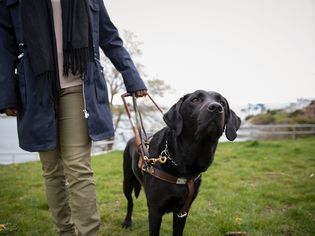
Chinooks need a moderate amount of exercise, but they do not require as much activity as many other working breeds. This breed is highly trainable and eager to please. When it comes to grooming, Chinooks are known for their tendency to shed heavily, so prospective owners should be prepared for regular brushings to reduce stray hair around the house.
Vigorous exercise does not need to be the top priority of a Chinook dog parent. These dogs only need regular walks and playtime totaling about an hour daily. They're also content to play in the backyard.
Chinooks make great partners for:
They were bred to be sled dogs, but that doesn't mean they do well when left outdoors alone. Chinooks are hardy dogs who love to be near their people at all times. Your dog will likely stay by your side as often as possible.
Chinook dogs have double coats to keep them warm in cold climates, and they also shed heavily twice per year. During these seasons, daily brushing and occasional de-shedding baths can keep stray fur under control. Brushing a few times each week is sufficient throughout the rest of the year.
Bathe your Chinook on an as-needed basis when you notice the dog's fur becoming dirty or after long play sessions outdoors.
This breed's coat does not need to be trimmed, but you should keep up with regular grooming care like teeth brushing, nail clipping, and ear cleaning to maintain their health.
The Chinook is a determined and intelligent breed that responds well to training. A few basic obedience lessons can begin when puppies are 6 to 8 weeks old, but this dog also excels at advanced training as they grow older. Housetraining and learning good behavior are usually a breeze for these smart, devoted dogs.
It's best to use positive reinforcement training and avoid any methods that involve punishment. This sensitive breed is likely to become fearful if yelled at. By rewarding your Chinook for performing desired actions, you'll build a strong bond and encourage your dog's natural instinct to please you by obeying commands.
Like many purebred dogs, Chinooks are susceptible to developing a few inherited health conditions. Responsible breeders strive to maintain high standards by testing their dogs for genetic problems before breeding.
Always ask your breeder to provide your new puppy's medical history. If you're rescuing a dog from a shelter, ask for any previous veterinary records to help keep your new best friend healthy in the future.
The following conditions are associated with the Chinook dog breed:
The Spruce / Kelly Miller
Feed your Chinook a diet of high-quality dog food twice per day, either commercial or home-prepared under your veterinarian's supervision. If your dog exercises frequently, they will likely require larger portions to stay healthy.
Some pet parents opt to feed these dogs smaller portions several times per day to help prevent bloat—but most importantly, you should talk to your veterinarian to determine the healthiest diet and portion plan for your specific dog based on age, weight, and activity level.
Fresh water should also be available at all times (especially for very active Chinooks).
Chinook dogs from breeders typically cost around $1,000 to $2,500, but prices can vary based on pedigree and availability.
Before you bring home a Chinook dog, review rescues to find a healthy, happy pup. Chinooks are still a rare breed, so it's not always easy to find these dogs in local shelters. However, breed-specific rescues exist to help Chinooks in need. Your local shelter can also introduce you to similar dogs waiting for their forever homes.
If you plan to buy a puppy from a breeder, start by researching responsible breeders in your region. You should see the litter's medical history, be allowed to meet their parents, and be able to see that the dogs are raised in a comfortable, safe indoor location.
To start your search, check out these resources for the national breed club, rescues, and the AKC:
Chinook dogs have a lot of the desirable qualities that you would look for in a great canine companion. They are intelligent and playful, and thoroughly enjoy being around their humans. But because this is a rare breed, it might be hard to find one.
If you love the Chinook dog, you might also like these similar breeds:
There's a whole world of different dog breeds out there that can join your family. With a little research, you can find the right one to bring home!
Chinooks make wonderful family dogs thanks to their calm and affectionate personalities. This breed does very well with children and can live happily with other dogs or cats when socialized properly.
Intelligent and eager to please, Chinooks are very trainable dogs. They're quick to learn new skills and do best with positive reinforcement training methods.
Chinooks were bred to pull sleds, so these dogs are capable of plenty of physical activity. However, they're also content to relax at home and tend to be very even-tempered inside the house.
It's no secret: Some dogs love to howl at sirens. Why do some dogs feel compelled to vocalize when an ambulance drives by wailing their sirens? Wh

While dog bites can happen for many reasons, fear aggression is a common concern. Just like humans, dogs can inherit a tendency to be anxious, and the
We have all heard the common phrase the dog days of summer, and, sometimes, to beat the heat, popsicles are a great option to keep cool. But is it ok

When it comes to feeding your dog, there are some decisions you need to make. Proper nutrition is one of your dog's basic needs, and it's about more t
Senior dogs can live happy, healthy lives. However, as our canine companions age, we are sure to notice some health changes. Owners tend to observe an
Normal dog poop should be formed and easily scooped or picked up. Diarrhea, on the other hand, is not well-formed, has excess liquid, and is not easil
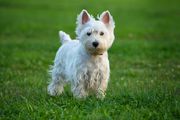
Terriers were originally bred to search for and destroy vermin. Most hunted rats, mice, and other rodents, but some were used to hunt foxes, rabbits,

The pug is an instantly recognizable and incredibly lovable dog who's popular for good reason—but some pug mixes are just as popular. A few popular pu
We are a comprehensive and trusted information platform dedicated to delivering high-quality content across a wide range of topics, including society, technology, business, health, culture, and entertainment.
From breaking news to in-depth reports, we adhere to the principles of accuracy and diverse perspectives, helping readers find clarity and reliability in today’s fast-paced information landscape.
Our goal is to be a dependable source of knowledge for every reader—making information not only accessible but truly trustworthy. Looking ahead, we will continue to enhance our content and services, connecting the world and delivering value.