
10 Tips to Help You Train Your Puppy
Congratulations on your new puppy! If this is your first dog, welcome to the wonderful world of dog ownership. Puppies are a lot of fun, but they
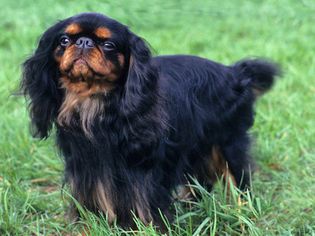
The English toy spaniel is a small toy dog breed from England with a silky, medium-length coat and a strong resemblance to its cousin, the popular Cavalier King Charles spaniel. English toy spaniels have large, dark, expressive eyes; long, furry ears; and a domed skull. Their coat comes in four varieties, each with a specific name: King Charles (black and tan), Blenheim (red and white), Prince Charles (black, white, and tan), and Ruby (solid red). British royalty favored English toy spaniels not only for their sweet appearance and compact size but also their devotion to their humans and love of being a lapdog.
Group: Toy
Height: 9 to 10 inches
Weight: 8 to 14 pounds
Coat: Medium-length, silky double coat
Coat Color: Black and tan; black, white, and tan; red; or red and white
Life Span: 10 to 12 years
Temperament: Affectionate, playful, companionable
Hypoallergenic: No
Origin: England
The English toy spaniel tends to have an affectionate and playful personality with its family, though it can be somewhat reserved around strangers. Its temperament also can include a stubborn streak, which might complicate training. But overall this breed is happy, friendly, and relatively quiet.
| Affection Level | High |
| Friendliness | Medium |
| Kid-Friendly | High |
| Pet-Friendly | High |
| Exercise Needs | Medium |
| Playfulness | High |
| Energy Level | Medium |
| Trainability | Medium |
| Intelligence | Medium |
| Tendency to Bark | Low |
| Amount of Shedding | Medium |
Toy spaniels can trace their history in Great Britain back to the 1500s. The ancestors of these small dogs likely came from Asia and potentially other parts of the world, including Spain.
British royalty fell in love with toy spaniels, and the dogs are often seen in portraits of royals and aristocrats from centuries past. In fact, around the time of Shakespeare, the dogs were referred to as “spaniel gentle” and “the comforter” thanks to their loving lapdog nature.
During the 1800s, crosses between the toy spaniels of Britain and Asian toy breeds, likely the Japanese chin and pug, led to the defined English toy spaniel breed. These dogs had a more domed skull and flatter face than the earlier toy spaniels of Britain. The English toy spaniel’s cousin, the Cavalier King Charles spaniel, was actually an attempt to breed a dog that was more like those earlier toy spaniels.
The American Kennel Club first recognized the English toy spaniel breed in 1886. But it's still a relatively uncommon breed in the United States today.
The English toy spaniel has a moderate energy level and loves to play. Its coat does require some upkeep, and it should receive training and socialization starting at a young age.
Plan to spend at least an hour per day exercising your dog. As long as this breed gets enough exercise, it’s typically calm in the house. A morning and evening walk plus playtime throughout the day should suffice for this little dog. Puzzle toys and dog sports also can help to challenge your dog mentally.
It’s important to note that English toy spaniels generally don’t do well in hot weather, as their short face can cause breathing problems. So keep outside exercise brief when it’s warm.
Brush your English toy spaniel’s coat at least twice a week to remove loose fur and prevent tangles and mats. It’s ideal to have a soft-bristle brush and a comb to work out any tangles. Plan on a bath roughly every month, and make sure to brush out the coat well afterward. Also, dry your dog’s ears well after a bath. And look in them at least weekly for wax buildup, dirt, and irritation.
Moreover, check your dog’s nails monthly to see whether they’re due for a trim. And aim to brush its teeth every day using a canine toothpaste.
Start training and socializing your English toy spaniel ideally when it’s a puppy to instill good behaviors and prevent bad habits from forming. A puppy class can teach both basic obedience commands and manners. Always use positive-reinforcement training methods, such as treats and praise. This breed can be especially sensitive to harsh corrections and might shut down and refuse to learn.
An area of training that you might have to work extra on is teaching your dog to be OK when you leave the house. English toy spaniels prefer to be with their humans and might experience separation anxiety when left alone—potentially engaging in destructive behaviors, such as unwanted chewing. A professional dog trainer or behaviorist can give you tips on how to combat this. But this breed is best for a household where someone is home for most of the day.
The English toy spaniel is overall a healthy dog breed. But it is prone to some hereditary health issues, including:
Always make sure your English toy spaniel has access to fresh water. And feed it a quality, nutritionally balanced canine diet, typically in two measured meals per day. A diet that’s specifically made for small/toy breeds often is ideal. But be sure to discuss both the type of food and the amount with your vet to verify that you’re meeting your dog’s individual needs. Also, be mindful of treats and other extra food. Even being just a pound overweight can be a lot for a small dog.
The English toy spaniel is a fairly uncommon breed, especially when compared to the popular Cavalier King Charles spaniel. So you might have trouble locating a dog. But it’s still worth checking local animal shelters and rescue groups for an English toy spaniel in need of a home. See whether you can get your name on a breed wait list. Breeders also might be difficult to come by, depending on where you live. If you’re looking for a puppy from a reputable breeder, expect to pay around $1,000 to $1,800 on average.
For more information to help you find an English toy spaniel, check out:
Typically a cuddly lapdog
Affectionate and playful
Relatively quiet
Often doesn’t do well when left alone
Intolerant to hot weather
Can be stubborn about training
As with any breed, do thorough research on the English toy spaniel before bringing one home to make sure it’s right for your lifestyle. Talk to breed owners, rescue groups, reputable breeders, and veterinary professionals. Spend some time around English toy spaniels too if possible.
If you’re interested in similar breeds, check out:
There’s a whole world of potential dog breeds out there—with a little research, you can find the right one to bring home!
The English toy spaniel looks quite similar to the Cavalier King Charles spaniel, and the breeds are related. However, the English toy spaniel is slightly smaller and has more of a domed head and a flatter face compared to the Cavalier.
Well-trained and socialized English toy spaniels generally are very good around children. But they should never be subjected to rough handling, which might harm them or trigger aggression.
English toy spaniels typically are suitable for apartment living. Their small size and moderate energy level mean they don't need an excessive amount of space. And they usually aren't excessive barkers.
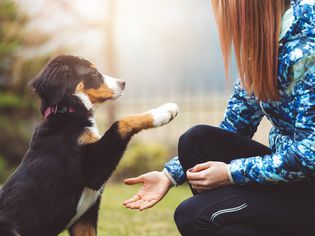
Congratulations on your new puppy! If this is your first dog, welcome to the wonderful world of dog ownership. Puppies are a lot of fun, but they

Almonds are a nutritious and satisfying snack for humans, but can dogs eat almonds, too? While almonds are not considered toxic to dogs and a couple l
As your dog or cat ages or is diagnosed with a terminal illness, pet hospice care might be an option to help pet parents keep their beloved furry frie

Ear infections in dogs can cause severe itching and pain, and they require veterinary treatment. Symptoms are usually noticeable early in an infection

Scent hounds are dogs specifically bred to use their sense of smell to track scents. The average dog’s nose features about 300 million olfactory recep

Some of the oldest dog breeds can be traced back to ancient Egypt, and many Egyptian dog breeds are very popular today. It's often suggested that

These intelligent canines are known for their jobs as police assistants, search and rescue pups, contraband sniffers, service dogs and more.
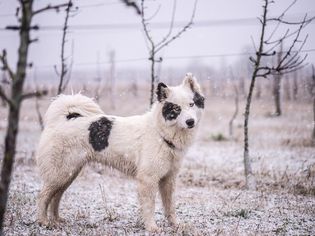
The Yakutian Laika is a large spitz dog breed from Russia with pointed ears, an athletic build, a thick double coat, and a tail that curls upwards ove
We are a comprehensive and trusted information platform dedicated to delivering high-quality content across a wide range of topics, including society, technology, business, health, culture, and entertainment.
From breaking news to in-depth reports, we adhere to the principles of accuracy and diverse perspectives, helping readers find clarity and reliability in today’s fast-paced information landscape.
Our goal is to be a dependable source of knowledge for every reader—making information not only accessible but truly trustworthy. Looking ahead, we will continue to enhance our content and services, connecting the world and delivering value.